Chenin

Bottelary Road wine farms

In the Bottelary Hills north-west of Stellenbosch town, along Bottelary Road (the M23).

At a glance

Closest to Cape Town
Hazendal, about 34 min by car
Highest rated
Kaapzicht (4.0)
Open on Sundays
3 of 6
Serve lunch
3 of 6
Have somewhere to stay
2 of 6

6 wineries

Plan

A day in Bottelary

Three estates close together, with lunch in the middle. All three list Monday to Saturday as opening days.

  1. MorningGroenlandKnown for Cabernet Sauvignon and Merlot.
  2. LunchHartenbergKnown for Shiraz and Cabernet Sauvignon, serves lunch, about 5.3 km from the last stop.
  3. AfternoonKaapzichtKnown for Pinotage and Chenin Blanc, about 5.3 km from the last stop.
Open this day

From there you can pick a date, see who is open, reorder stops, add more and open the route in Google Maps.

The story

About Bottelary

Bottelary has nothing to do with bottles: the name comes from the Dutch for a pantry, which is what these farms once were.

Bottelary is an official Wine of Origin ward in the low hills north-west of Stellenbosch town. It is Pinotage and Chenin Blanc country, with old vineyards, farms that go back to 1699, and some of the first Pinotage ever planted commercially.

A ward named after a pantry

The name has nothing to do with bottles. It comes from the Dutch bottelarij, a store-room, because these farms supplied fresh produce to the early settlement and to ships rounding the Cape.

Bottelary is one of the eight wards in the Stellenbosch district, so Wine of Origin Bottelary on a label means every grape was grown in these hills. The Bottelary Hills sub-route of Stellenbosch Wine Routes covers similar ground but is a touring area, not a legal origin.

About Bottelary

What the hills do

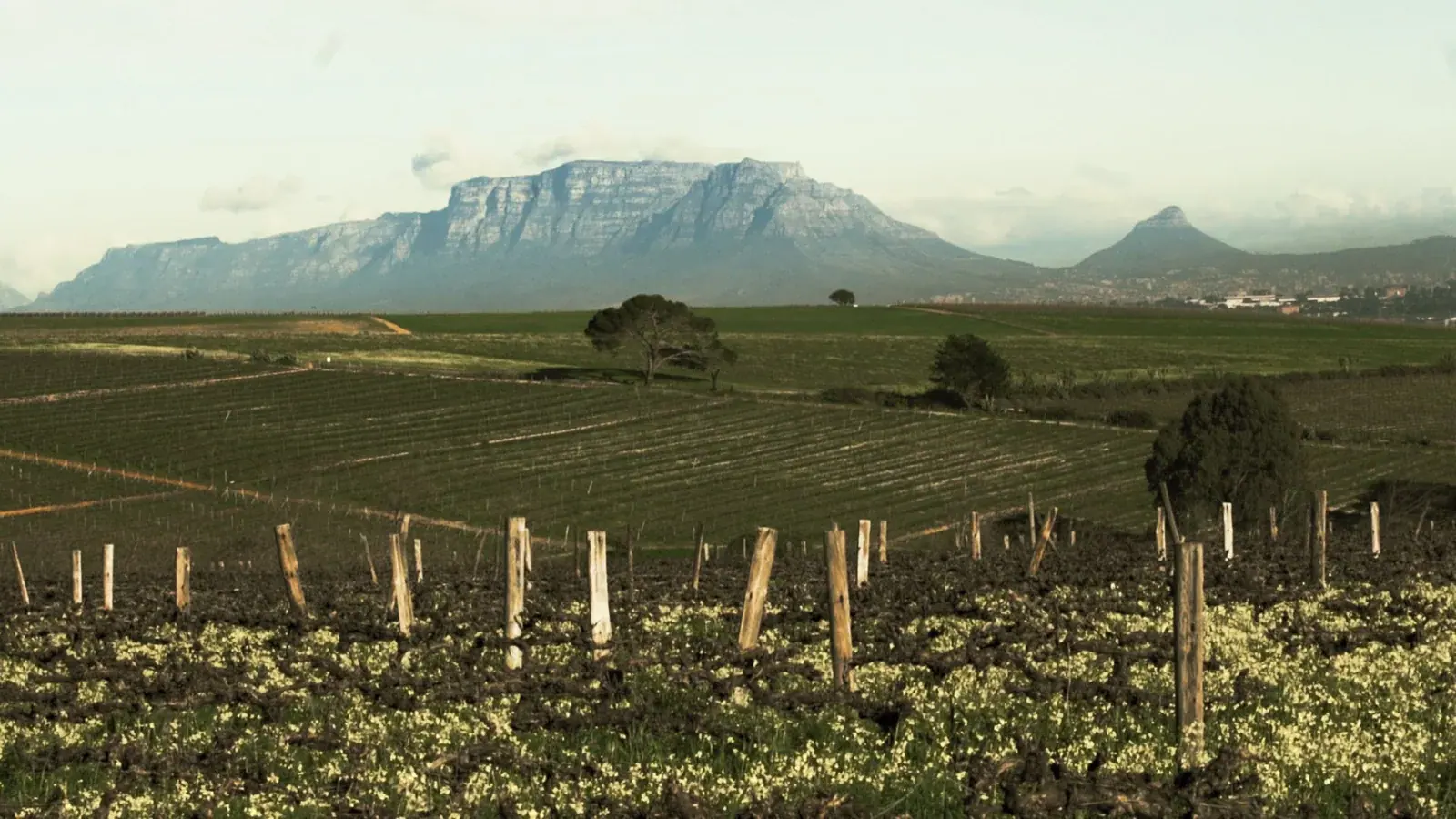
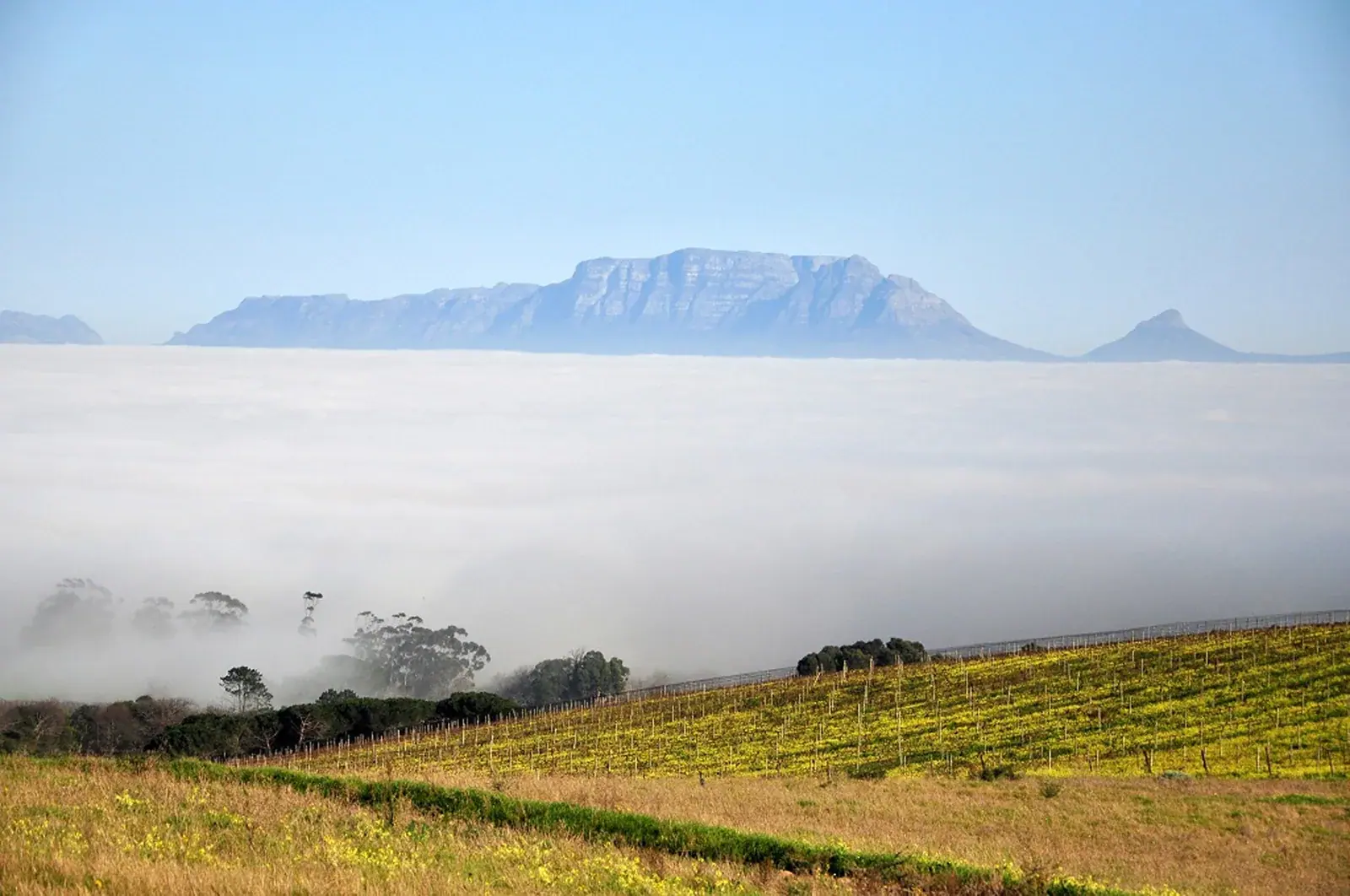
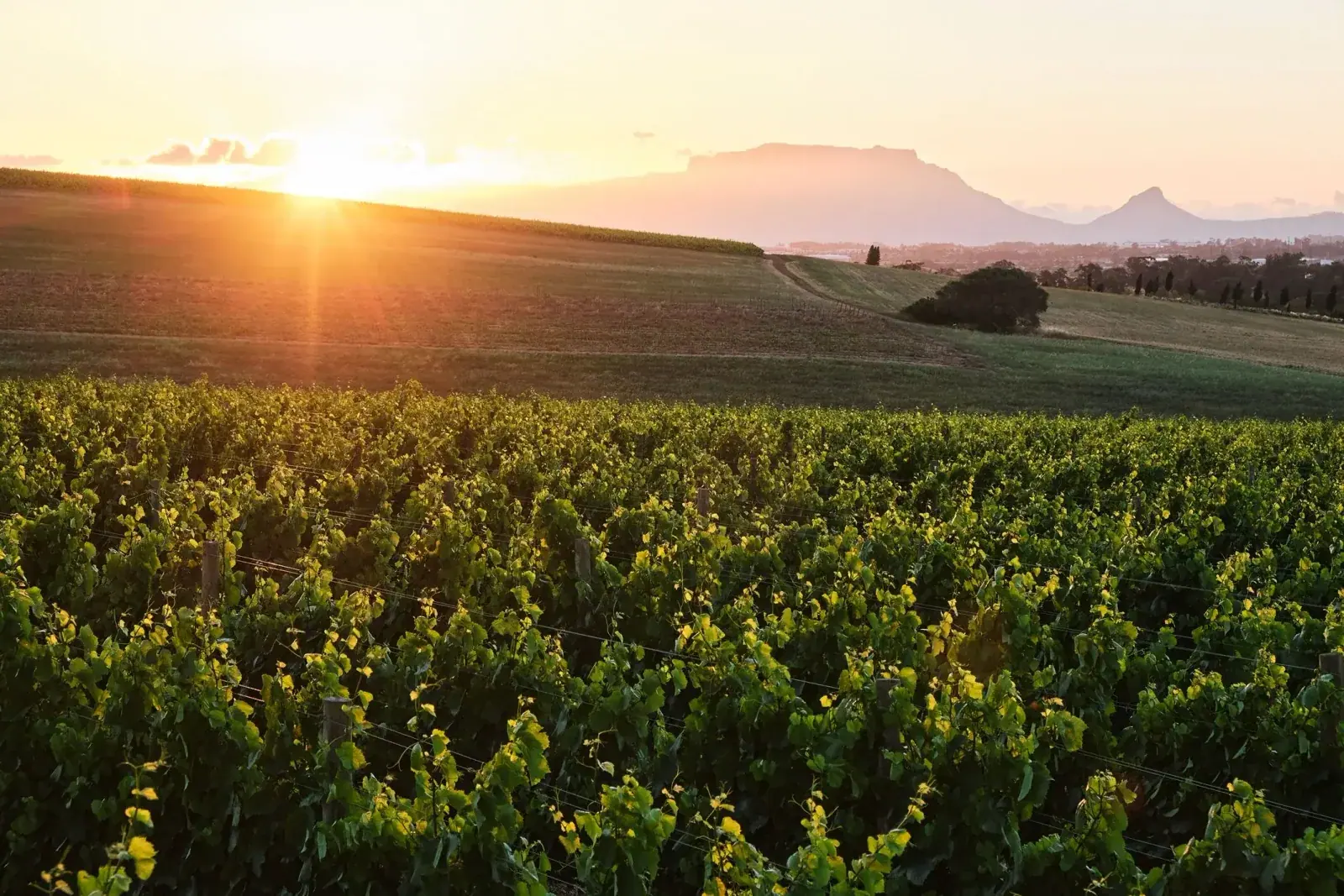
These are low hills and rolling plains rather than mountains: the Bottelaryberg tops out at about 520 metres. The Agricultural Research Council found granite-derived soils on its lower slopes and sea breezes reaching the area from the south and west in summer. Slopes facing north and north-east are more sheltered from those breezes, so sites a short walk apart can ripen quite differently.

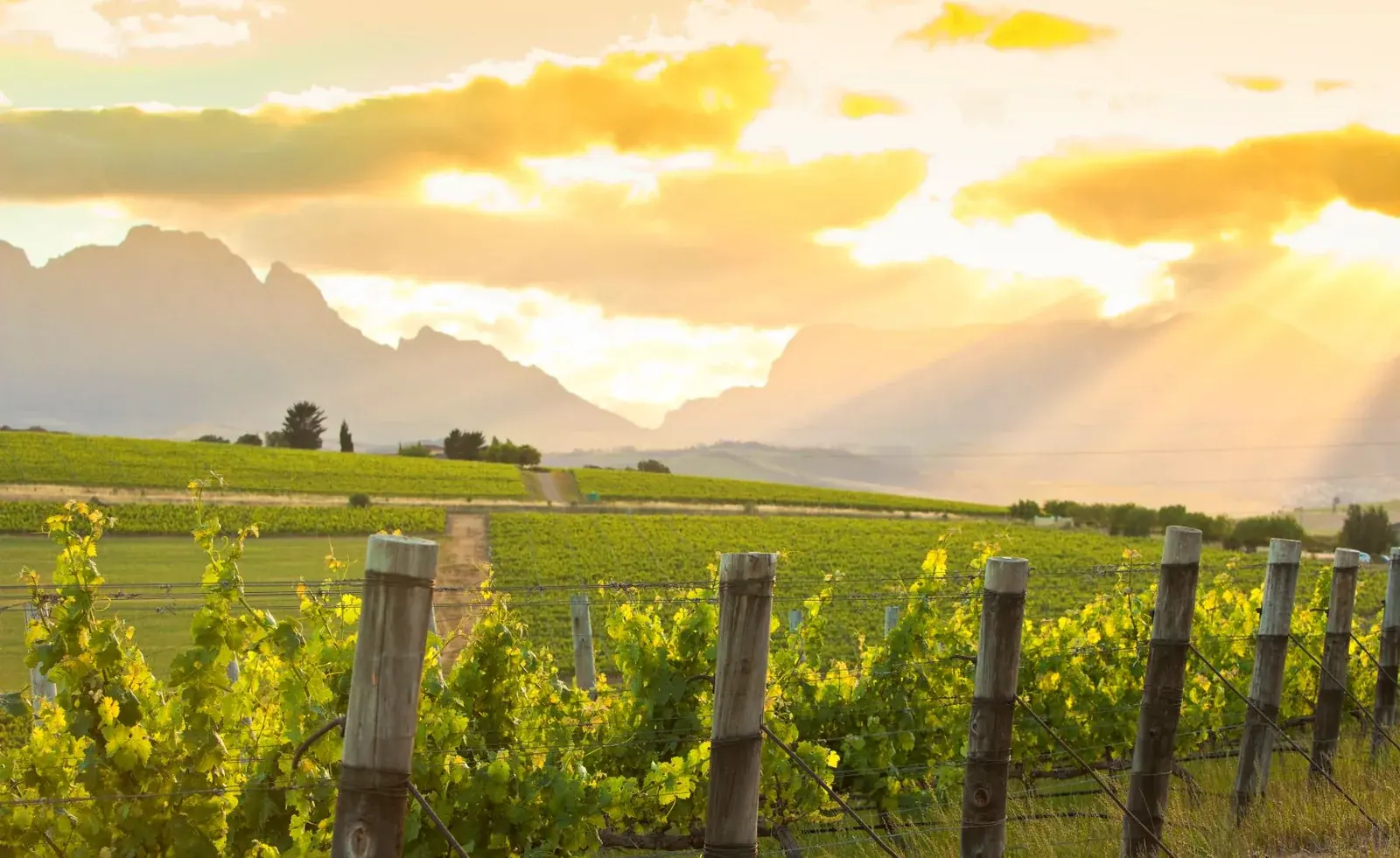
That mix of aspects and long farming history explains why the hills hold vineyards registered with the Old Vine Project. Pinotage, Chenin Blanc and Shiraz run through the estates on our list. Between the farms, the Bottelary Hills Renosterveld Conservancy, founded in 1992, protects some of the original scrub.

About Bottelary

The estates on our list

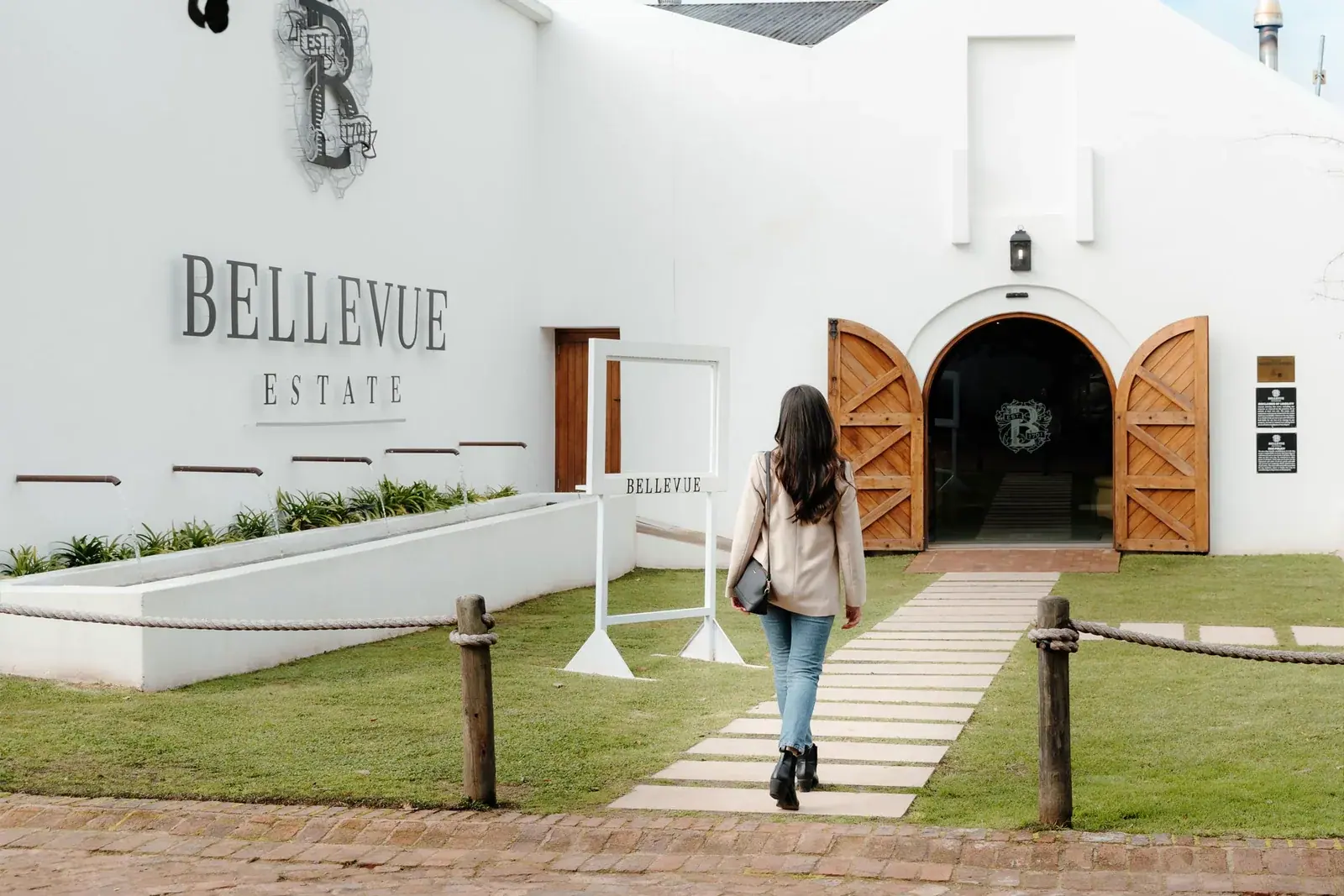
Bellevue, founded in 1701 as Houd den Mond, planted one of South Africa's first commercial Pinotage vineyards in 1953. Kaapzicht has been in the Steytler family since 1946 and leans on Pinotage and Chenin Blanc. Hazendal goes back to a 1699 land grant and pours in a cellar built in 1870.

Mooiplaas farms steep slopes looking towards Cape Town, was the ward's first WWF Conservation Champion and runs guided hikes in the September to November flowering season. Hartenberg sits on the north-eastern side of the hills and is known first for Shiraz.

About Bottelary

Questions people ask

Is Bottelary an official wine ward?
Yes. Bottelary is one of the eight Wine of Origin wards in the Stellenbosch district. A wine labelled Bottelary must be made entirely from grapes grown inside the ward.
Where are the Bottelary Hills?
They lie north-west of Stellenbosch town, along Bottelary Road. Most estates are a short drive from the town centre.
What is Bottelary known for?
Pinotage, Chenin Blanc and Shiraz, often from older vineyards. Bellevue planted one of South Africa's first commercial Pinotage vineyards here in 1953.
What does Bottelary mean?
It comes from the Dutch bottelarij, meaning a pantry or store-room. The farms here once supplied fresh produce to the early Cape settlement and to passing ships.

Updated October 2026.