
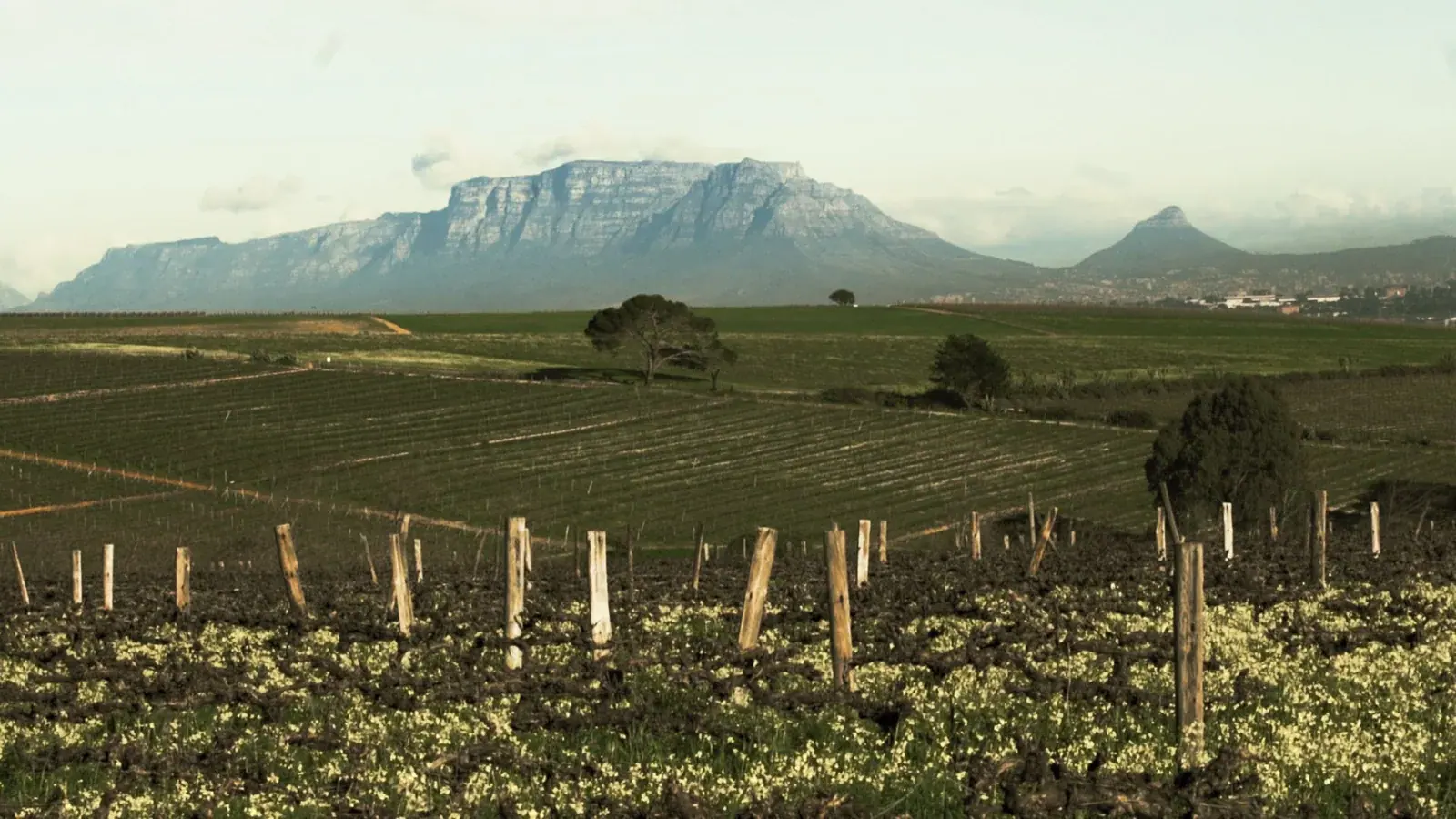
Chenin

Chenin Blanc estates

Estates where Chenin Blanc is a signature, not just a line on the list. South Africa grows more Chenin than anywhere else, and the range shows it, from crisp and bright to rich, old-vine and barrel-fermented.

At a glance

Closest to Cape Town
Hazendal, about 34 min by car
Open on Sundays
17 of 33
Serve lunch
15 of 33
Take walk-ins
4 of 33
Have somewhere to stay
10 of 33
Areas
Helderberg (5), Bottelary (3), Polkadraai Hills (3)

33 wineries

The story

Chenin Blanc in Stellenbosch

For three centuries South Africans called it Steen, until a Stellenbosch professor showed in 1963 that it was the Loire's Chenin Blanc.

Chenin Blanc is South Africa's most widely planted grape and its signature white, and Stellenbosch makes it in every register: fresh and unoaked, barrel-fermented, from old bush vines, skin-contact and even sweet. One grape, a whole tasting flight.

From Steen to Chenin

Chenin is thought to have arrived with the first vine cuttings at the Cape in 1655. For three centuries it went by another name, Steen, and nobody was quite sure what it was. In 1963 Professor C.J. Orffer, head of viticulture at Stellenbosch University, compared the leaves and confirmed that Steen was the Loire's Chenin Blanc.

For most of the 20th century it was the workhorse: brandy base, bulk wine, semi-sweet blends. In 1988 it covered 33.2% of the national vineyard. Today it is around 18%, still more than any other grape, and many of the vines that survived are now the old blocks behind the most interesting bottles.

The old name hasn't gone away. Look for it on labels like Longridge's Ou Steen and Simonsig's Langbult Steen.
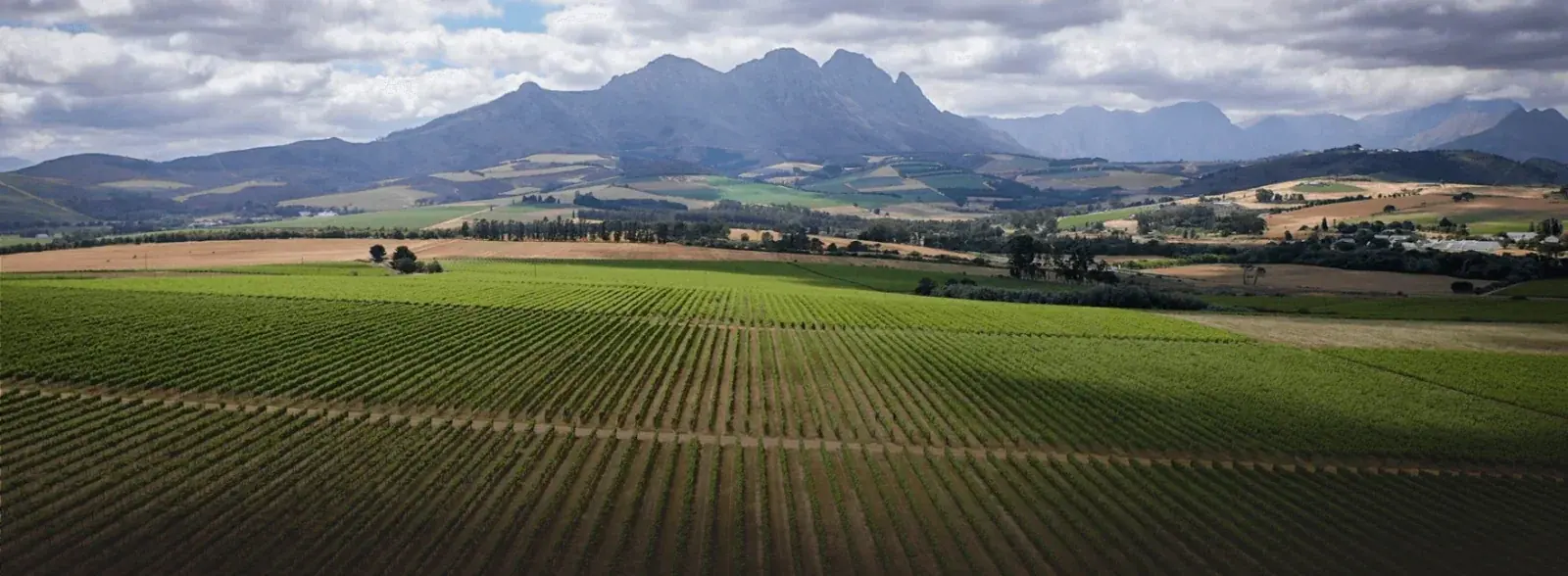
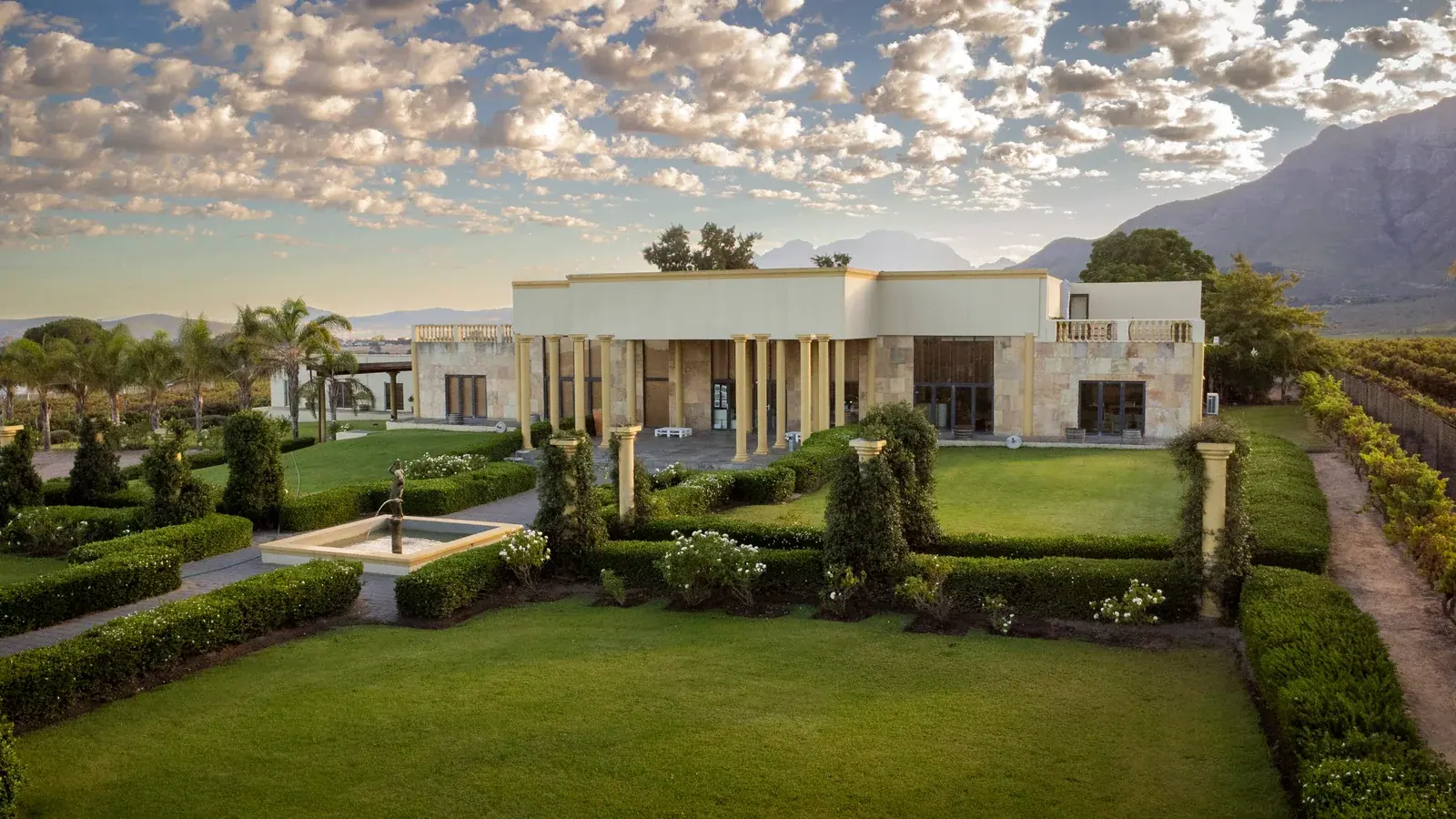
Chenin Blanc in Stellenbosch

Why old vines matter here

Old Chenin vines give less fruit, and what they give is more concentrated. Viticulturist Rosa Kruger founded the Old Vine Project in 2002 to find and protect them, and South Africa now has 5,417 hectares of vineyard aged 35 years or more.

In 2018 the project introduced the Certified Heritage Vineyards seal, which lets producers mark wines from vineyards at least 35 years old. Many old Stellenbosch Chenin blocks are bush vines, free-standing and low to the ground, often on dry-farmed slopes.

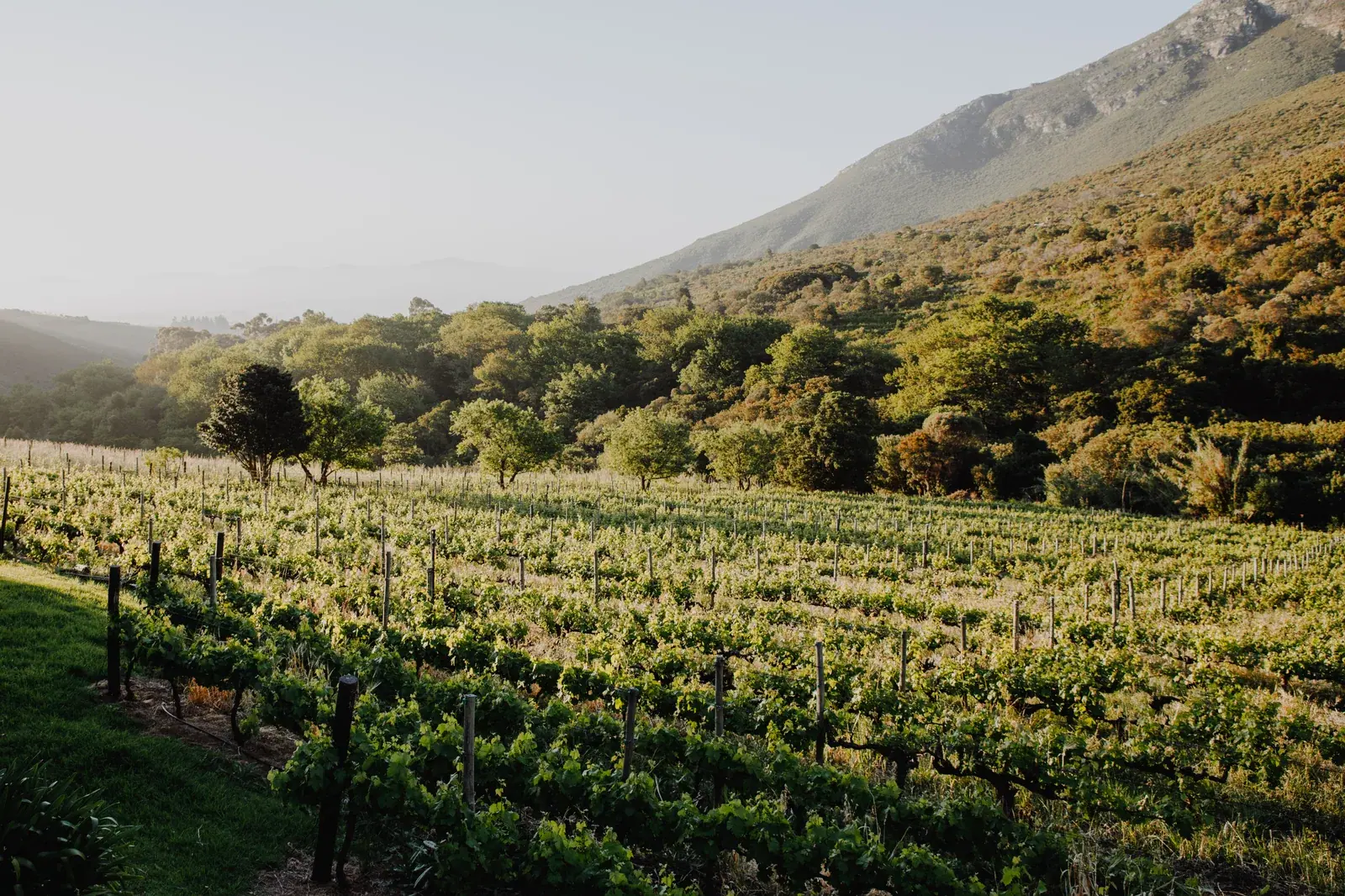
Stellenrust draws its Chenin from bush vines of 30 years and older on decomposed granite in the Bottelary Hills, and makes an Old Bush Vine bottling too. Up the same hills, Kaapzicht makes the Kliprug Bush Vine Chenin. On the Helderberg, Ken Forrester builds a range around the grape, from Petit Chenin to the Old Vine Reserve and The FMC.

Chenin Blanc in Stellenbosch

The styles you will meet in tasting rooms

Unoaked Chenin is crisp, with apple, pear and citrus. Barrel-fermented versions are rounder, with notes of honey, nuts and baked apple. Old-vine wines sit between the two, with more weight than fruit flavour alone explains.

Then come the outliers. Catherine Marshall ferments a Chenin in clay. De Trafford makes a skin-macerated Chenin and a Straw Wine from Chenin grapes dried on racks in the shade for about three weeks, which tastes of honey and apricot. Raats shows the contrast neatly: an unwooded Original Chenin next to an Old Vine bottling.

Chenin Blanc in Stellenbosch

Questions people ask

What is Steen wine?
Steen is the old South African name for Chenin Blanc. The grape was grown at the Cape for centuries before Professor C.J. Orffer confirmed in 1963 that Steen and the Loire's Chenin Blanc were the same variety, and some producers still put Steen on the label.
Is South African Chenin Blanc sweet or dry?
Most Stellenbosch Chenin Blanc is dry, from crisp and unoaked to rich and barrel-fermented. Sweet versions exist, such as straw wines made from dried grapes, but they are labelled as dessert wines and are the exception.
What counts as an old vine in South Africa?
The Old Vine Project defines old vines as 35 years or older. Wines from qualifying vineyards can carry the Certified Heritage Vineyards seal, introduced in 2018, and the first wine to carry it was a Chenin Blanc.
Why does South Africa grow so much Chenin Blanc?
It arrived with the earliest Cape vines and grew well in warm, dry conditions, so it became the workhorse for brandy and bulk wine. It covered a third of the vineyard in 1988 and is still the most planted grape, around 18% of the total.

Updated October 2026.