Chenin

Pinotage estates

Estates where Pinotage is a signature, not just a line on the list. South Africa's own grape, bred in Stellenbosch in 1925 from Pinot Noir and Cinsaut, and still the subject of friendly argument.

At a glance

Closest to Cape Town
Hazendal, about 34 min by car
Highest rated
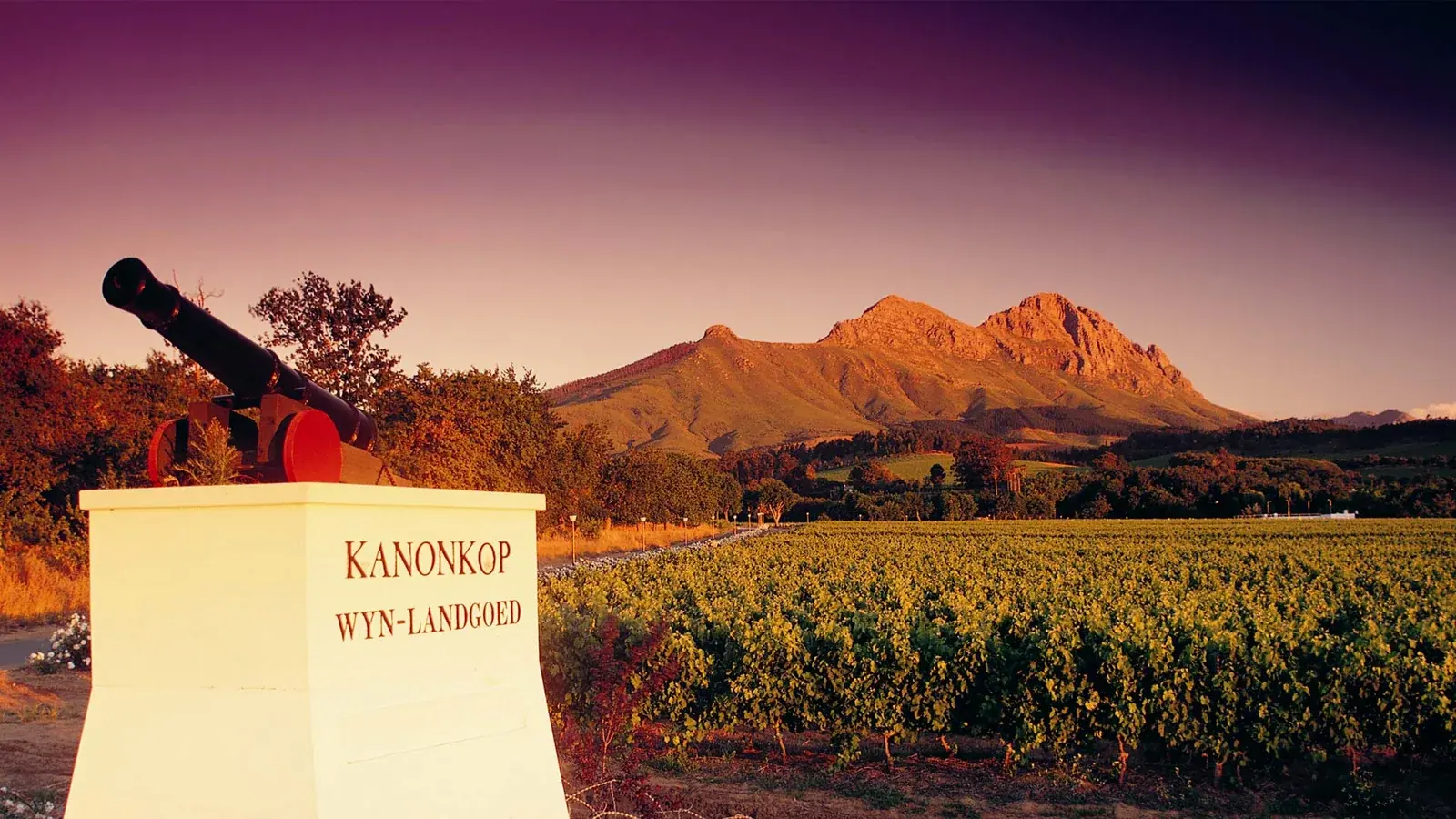
Kanonkop (4.1)
Open on Sundays
20 of 33
Serve lunch
16 of 33
Have somewhere to stay
14 of 33
Areas
Bottelary (4), Simonsberg-Stellenbosch (4), Devon Valley (3)

33 wineries

The story

Pinotage in Stellenbosch

Pinotage was bred at Stellenbosch University in 1925, and its first four seedlings were nearly lost in a garden clean-up.

Pinotage is South Africa's own grape, bred at Stellenbosch University by Professor Abraham Perold from Pinot Noir and Cinsaut. Tasting it here means tasting it where it began, at farms that planted it in the 1950s and still make the case for it.

Four seeds at Welgevallen

On 17 November 1924 Perold, the university's first professor of viticulture, crossed Pinot Noir with Cinsaut, then known in the Cape as Hermitage. Hence the name. In 1925 he planted the four resulting seeds at Welgevallen, the university's experimental farm, and the Pinotage Association counts that year as the grape's birthday.

Perold left for KWV in Paarl in 1928 and the seedlings were nearly lost in a garden clean-up, until Charlie Niehaus rescued them. The vines were grafted onto rootstock in 1935, and CT de Waal made the first Pinotage wine at Elsenburg in 1941.

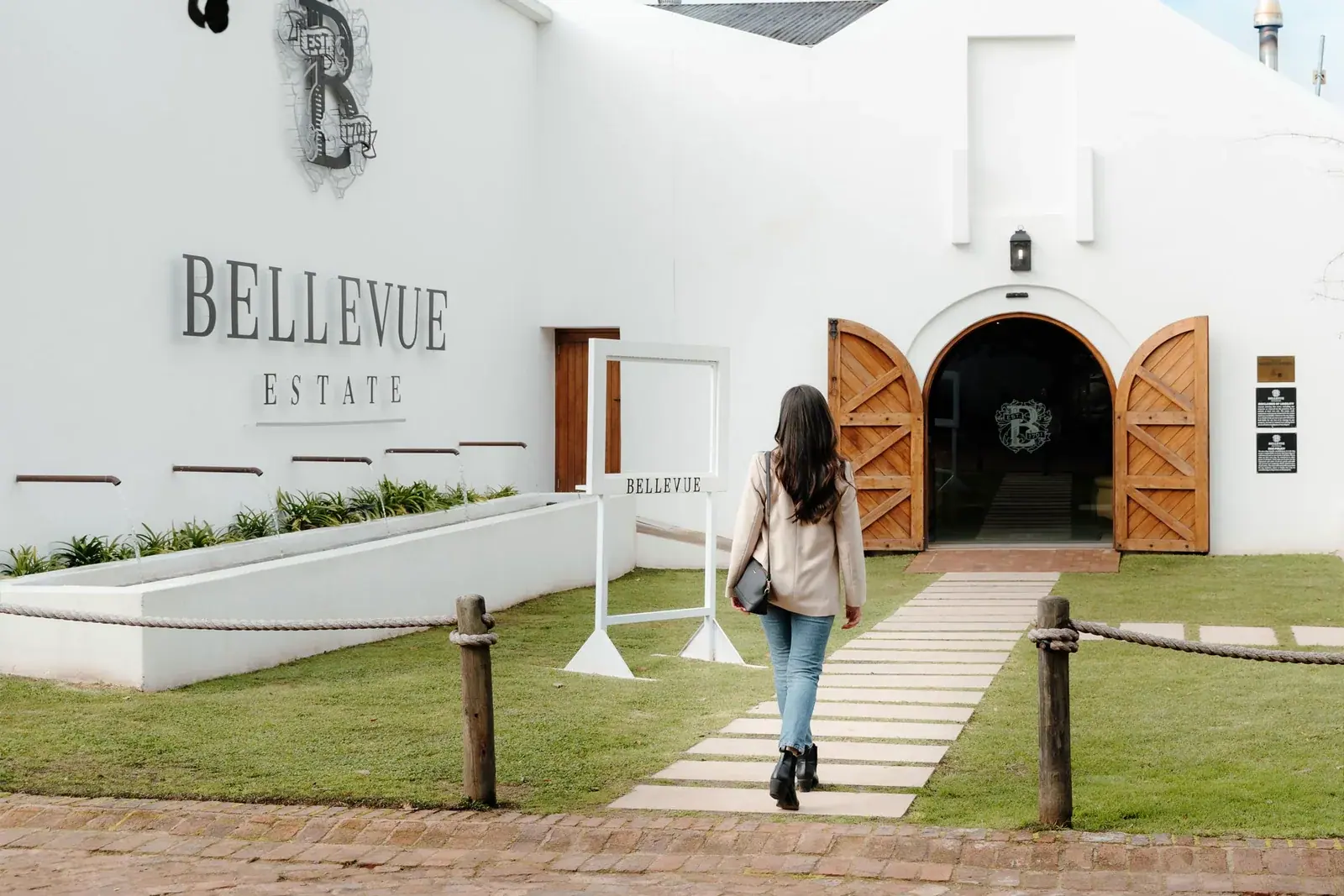
Bellevue and Kanonkop both planted the grape in 1953. Bellevue's 1959 vintage was sold to Stellenbosch Farmers' Winery and released in 1961 under the Lanzerac label, the first bottle to carry the word Pinotage. All three still make it.
Pinotage in Stellenbosch

Why people argue about it

Pinotage has had critics for most of its life. Visiting British Masters of Wine in the 1970s reached for words like burnt rubber and spray paint, a group of them declared in 1976 that it had no future, and plantings shrank.

Producers kept at it. The Pinotage Association formed in 1995, Kanonkop's Beyers Truter was named International Winemaker of the Year in London in 1991, and Pinotage is now South Africa's third most planted red grape. Its reputation still divides people, and a tasting room is a fair place to settle the question for yourself.

Pinotage in Stellenbosch

What you'll find in the glass

Expect brambly dark fruit, fresh acidity and soft tannins. Traditional versions are full-bodied and oaked, built to age, while a newer wave is lighter and fresher. It also turns up as rosé and sparkling wine.

Some cellars lean into the roasted side: Mooiplaas makes The Bean Coffee Pinotage. Others put the vineyard first, like Kaapzicht in the Bottelary Hills with its Steytler Pinotage.

You'll also see Cape Blend on labels. There is no legal definition, but it means a red blend with a substantial share of Pinotage, usually at least 30 per cent; Beyerskloof, founded by Beyers Truter, makes a Synergy Cape Blend alongside its Pinotages.

Pinotage in Stellenbosch

Questions people ask

Who created Pinotage and when?
Professor Abraham Perold of Stellenbosch University crossed Pinot Noir with Cinsaut in November 1924 and planted the seeds in 1925 at Welgevallen, the university's experimental farm. The first Pinotage wine was made in 1941, and the first bottle labelled Pinotage was the 1959 vintage, released in 1961.
Is Pinotage the same as Pinot Noir?
No. Pinotage is a cross of Pinot Noir and Cinsaut, which South Africans called Hermitage, and the name joins the two. It usually makes a darker, fuller wine than Pinot Noir, with soft tannins and fresh acidity.
Why does Pinotage have a mixed reputation?
British Masters of Wine visiting in the 1970s criticised it for notes they likened to burnt rubber and paint, and a group of them said in 1976 that it had no future. The grape has since become South Africa's third most planted red, and opinions still differ, which is a good reason to taste a few styles side by side.
What is a Cape Blend?
A South African red blend that includes a substantial share of Pinotage, usually at least 30 per cent under the Pinotage Association's guideline. It is an industry term, not a legal category, so the exact recipe varies from cellar to cellar.

Updated October 2026.