Chenin

Helderberg wine farms

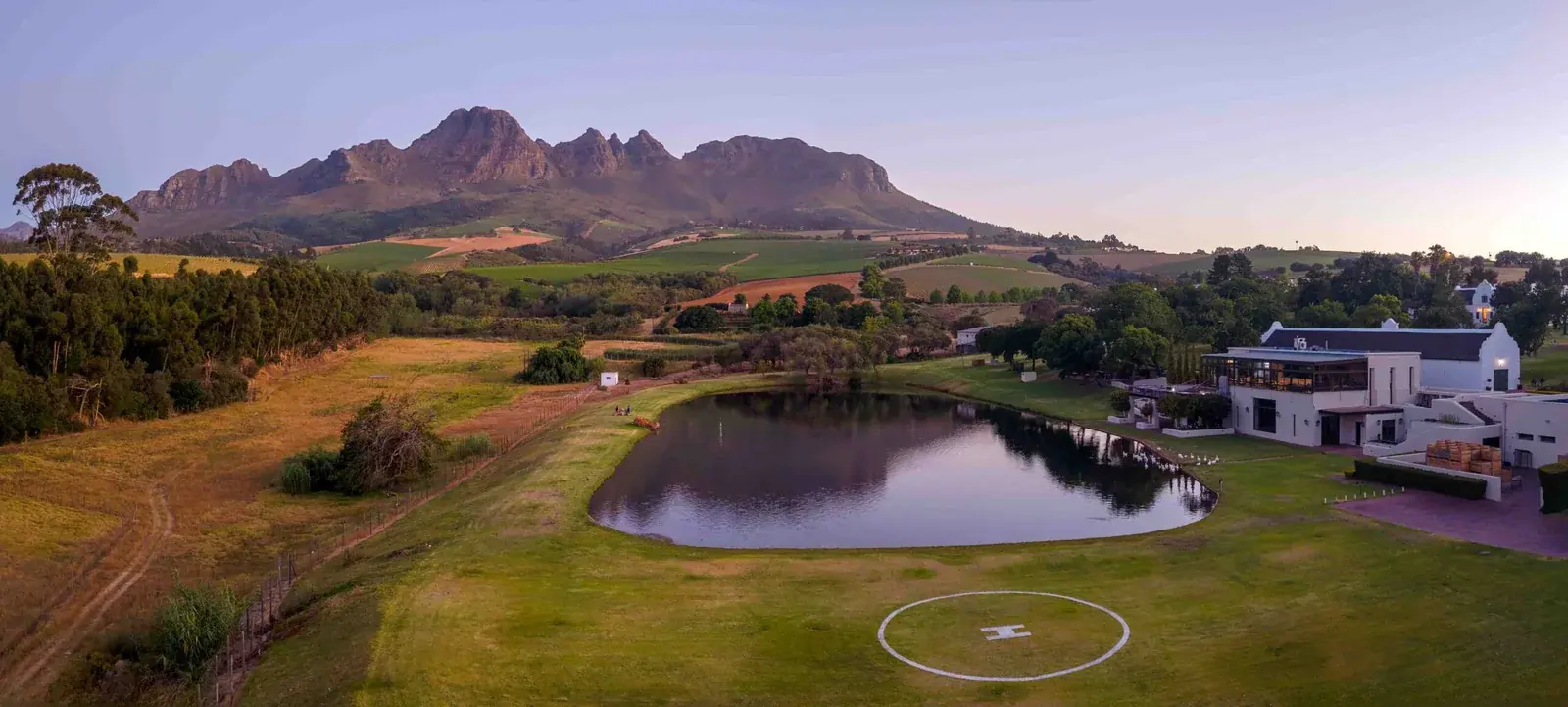
On the slopes of the Helderberg, between Stellenbosch and Somerset West, close to False Bay.

At a glance

Highest rated
Rust en Vrede (4.2)
Open on Sundays
11 of 16
Serve lunch
13 of 16
Take walk-ins
1 of 16
Have somewhere to stay
4 of 16

16 wineries

Plan

A day in the Helderberg

Three estates close together, with lunch in the middle. All three list every day as opening days.

  1. MorningPeter FalkeKnown for Pinot Noir and Cabernet Sauvignon.
  2. LunchRust en VredeKnown for Cabernet Sauvignon and Shiraz, serves lunch, about 1.6 km from the last stop.
  3. AfternoonWebersburgKnown for Cabernet Sauvignon and Sauvignon Blanc, about 1.5 km from the last stop.
Open this day

From there you can pick a date, see who is open, reorder stops, add more and open the route in Google Maps.

The story

About the Helderberg

The Helderberg is not an official ward, so its wines say Stellenbosch on the label. The sea breeze from False Bay is its signature.

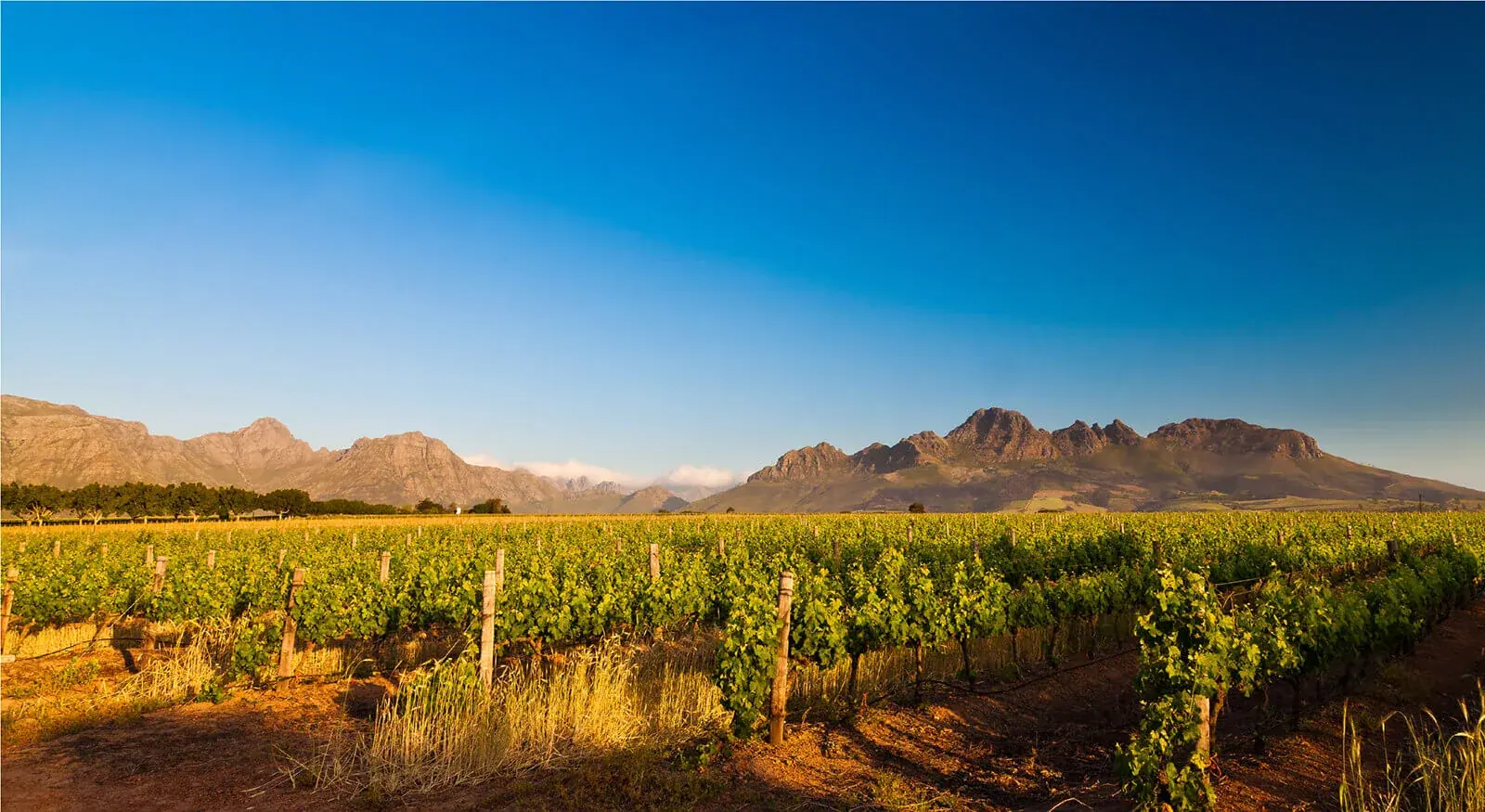
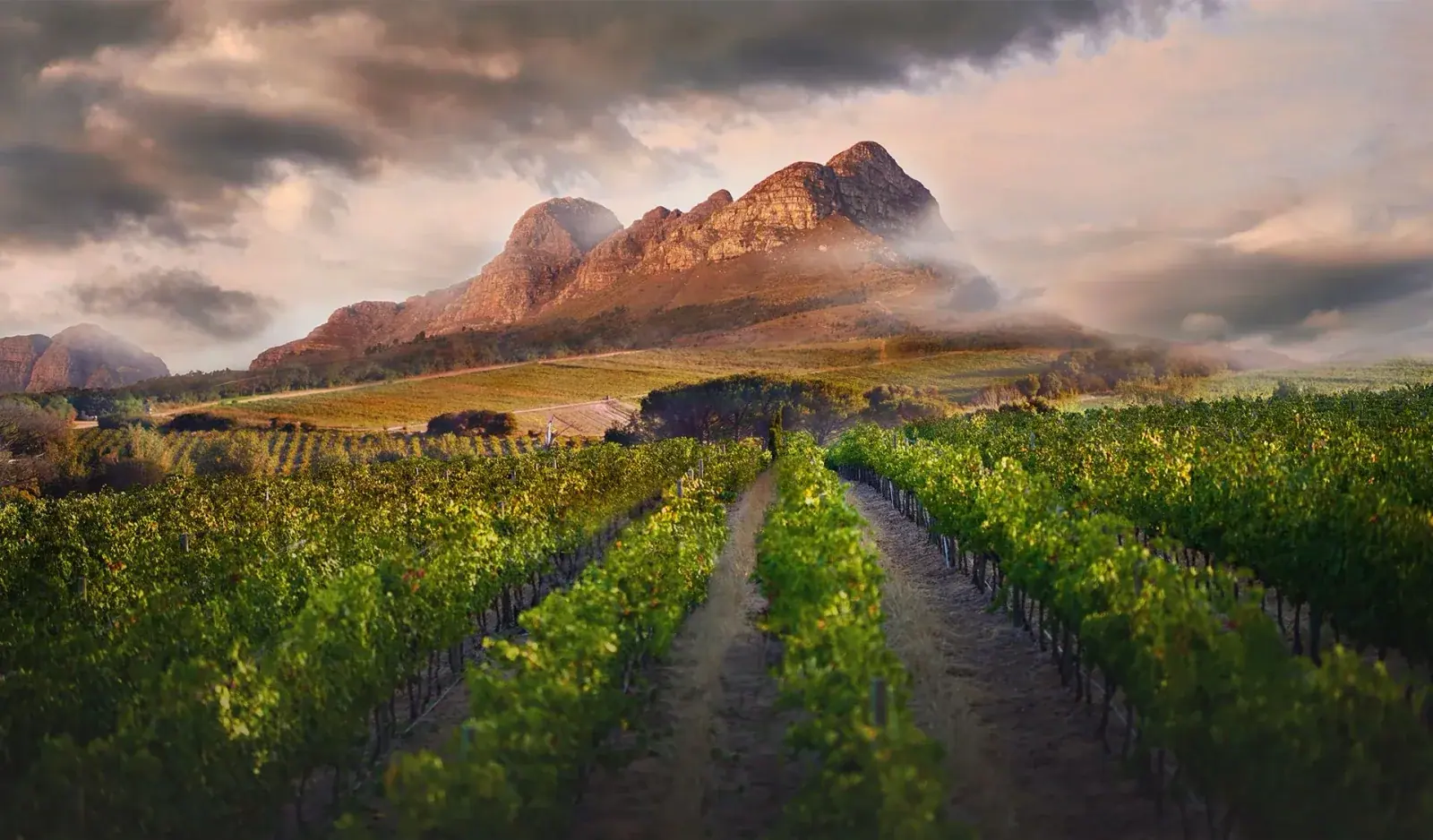
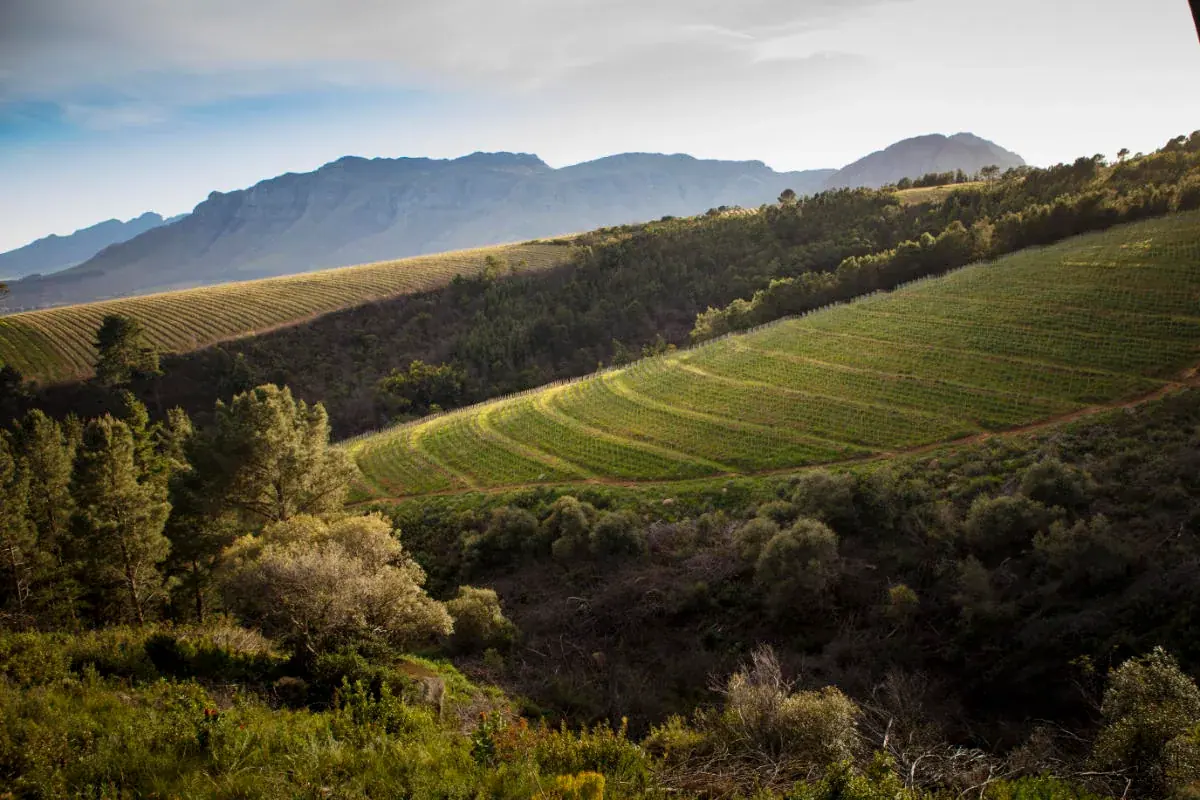
The Helderberg is the mountain-backed stretch of vineyards due south of Stellenbosch town, running down towards Somerset West and False Bay. Sea breezes and granite slopes make it red wine country. It is a well-known area, not an official ward, so its wines are labelled Stellenbosch.

A name you won't find on the label

The Helderberg is not a Wine of Origin ward. The official register of production areas lists eight wards in the Stellenbosch district, and the Helderberg is not one of them. Producers on the mountain's slopes have never agreed on a joint proposal for one, as the writer Tim James noted in 2019.

So a bottle from here says Wine of Origin Stellenbosch, which guarantees that all of the grapes come from the Stellenbosch district. Vergelegen, in Somerset West, labels its wines that way. If you want to know whether a wine is from the Helderberg itself, the estate's name is the clue, or ask in the tasting room.
About the Helderberg

What the mountain and the bay do

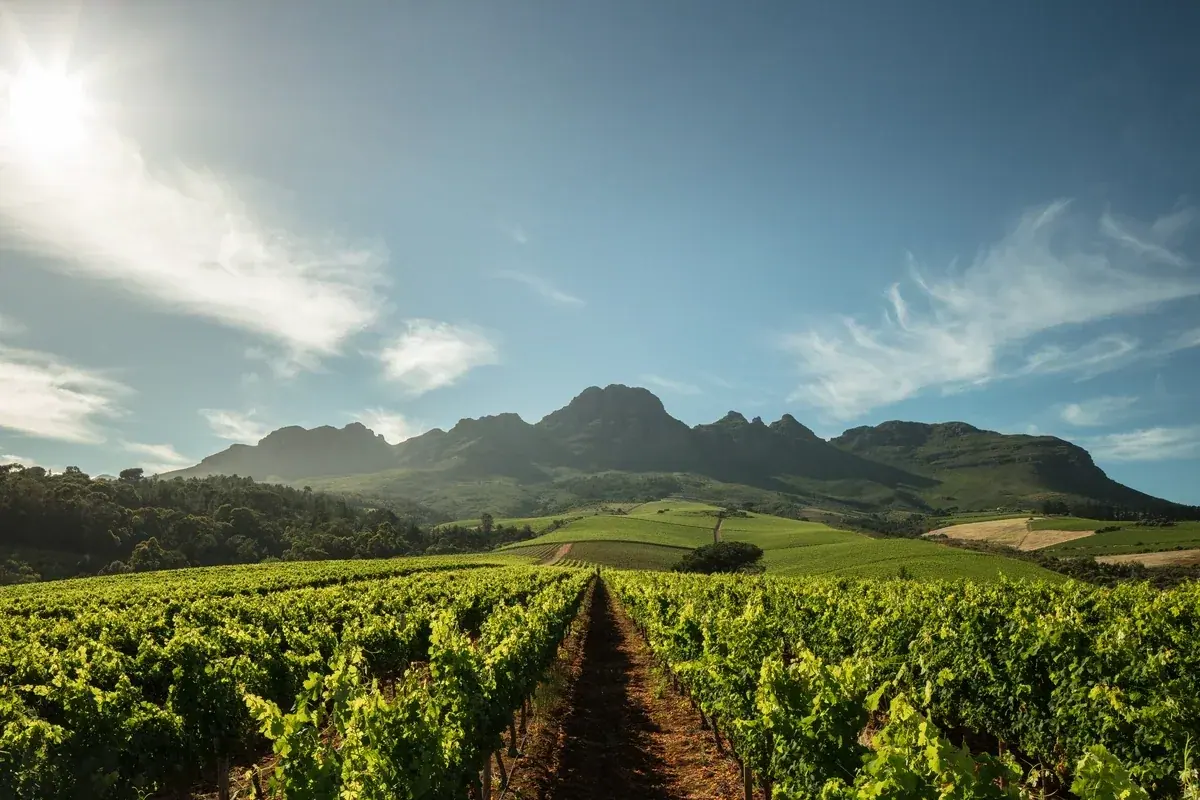
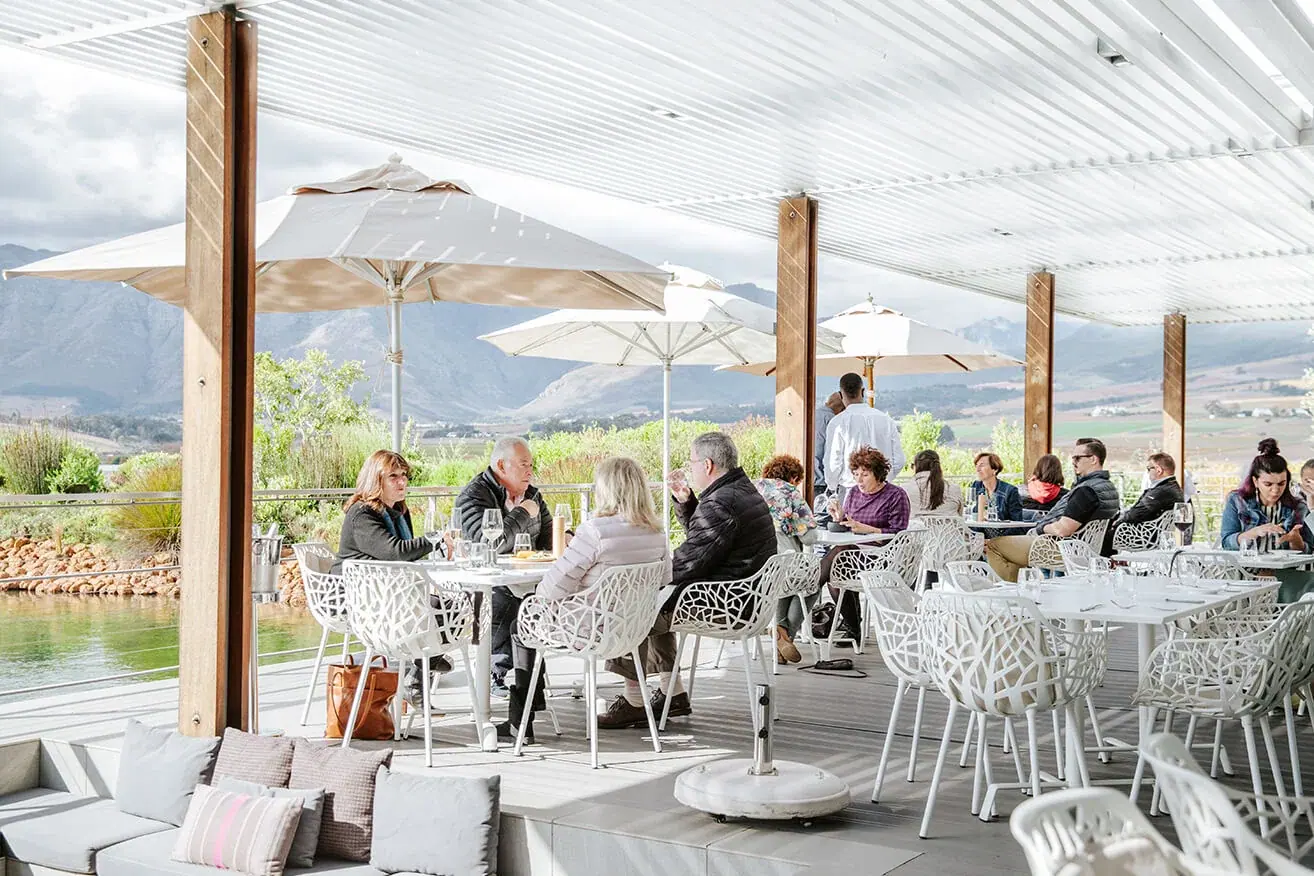
The Hottentots Holland range curves around the valley like an amphitheatre, and the Helderberg itself rises to just over 1,100 metres. In July and August there is often snow on the higher peaks. Below them the slopes drop towards False Bay, close enough that the area is noticeably cooler than vineyards further inland.

A study of the area by the Agricultural Research Council found that summer sea breezes from the south and west lower daytime temperatures in February, when most grapes ripen. Their weather station closest to False Bay recorded the fewest hours above 30°C. The red and yellow soils on the mountain's lower slopes come from weathered granite.

That combination suits grapes that ripen late and slowly. Cabernet Sauvignon, Merlot and Shiraz run through almost every estate on our list here, with Chenin Blanc and Chardonnay as the main whites.

About the Helderberg

The estates on our list

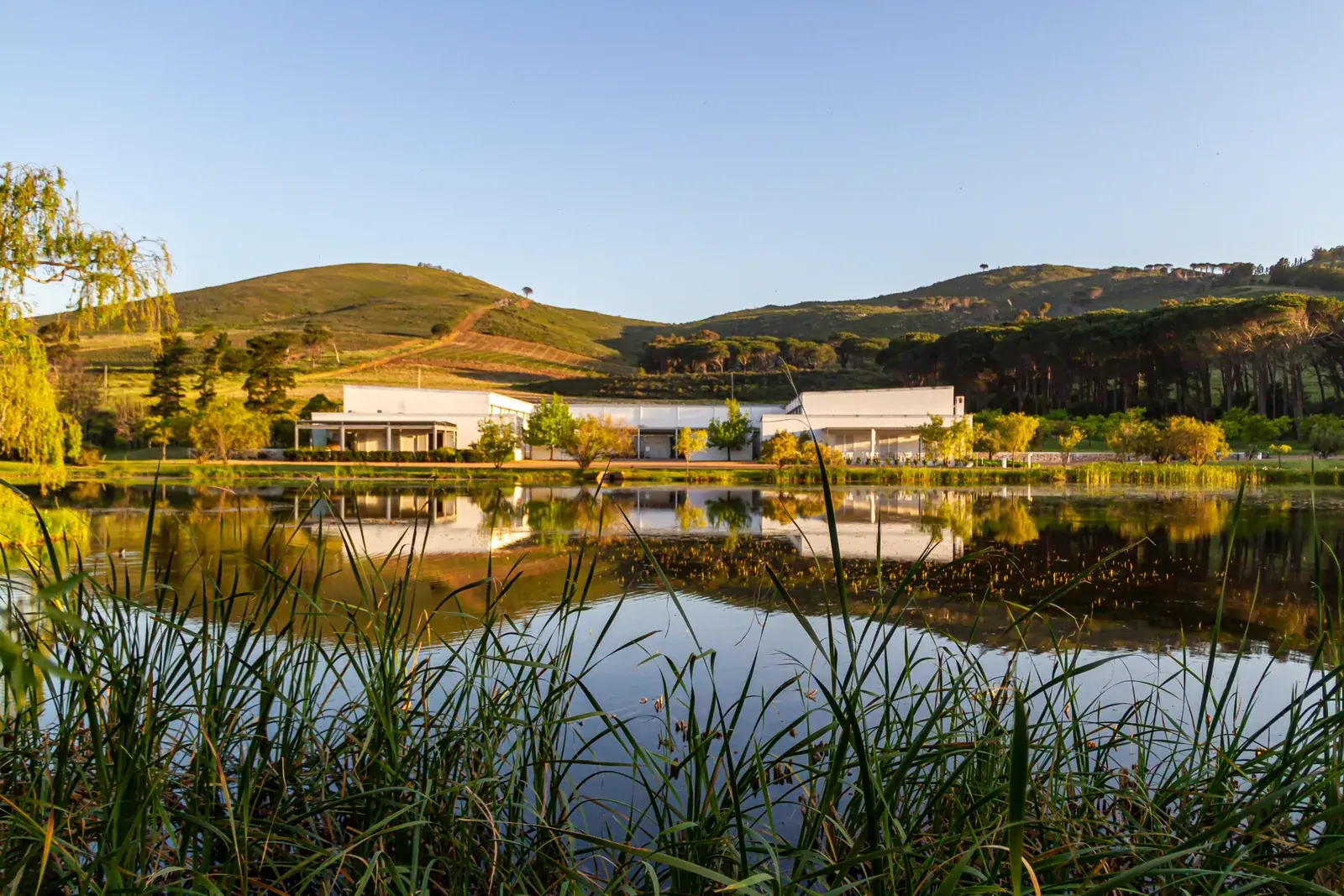
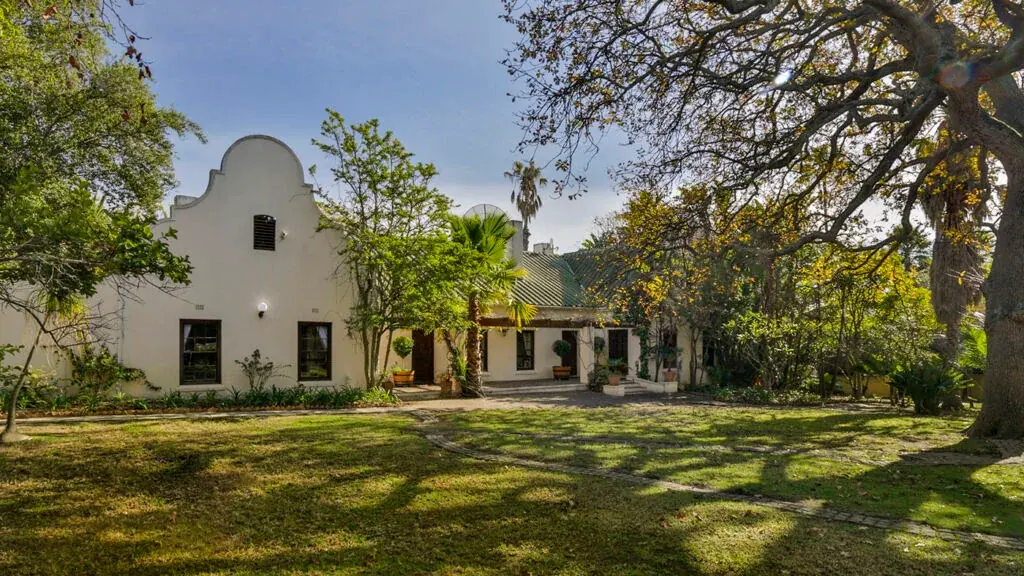
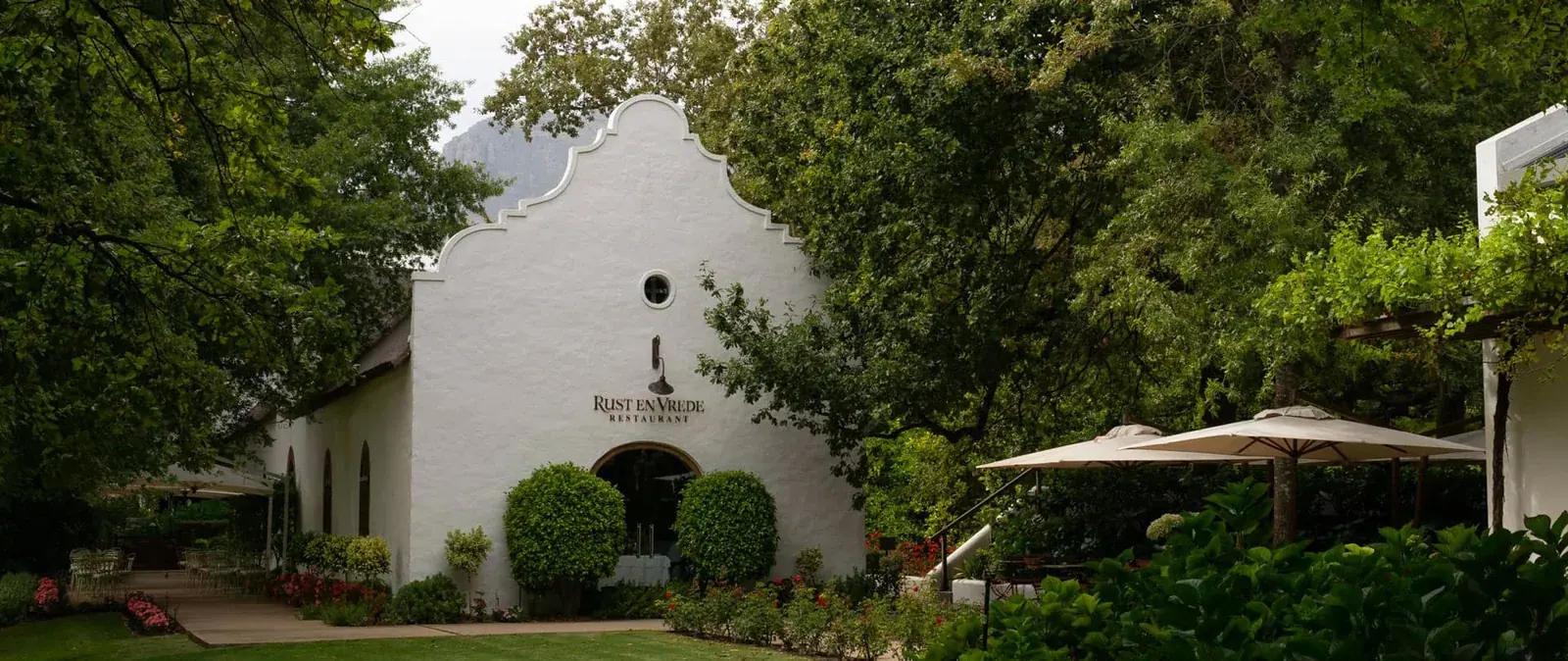
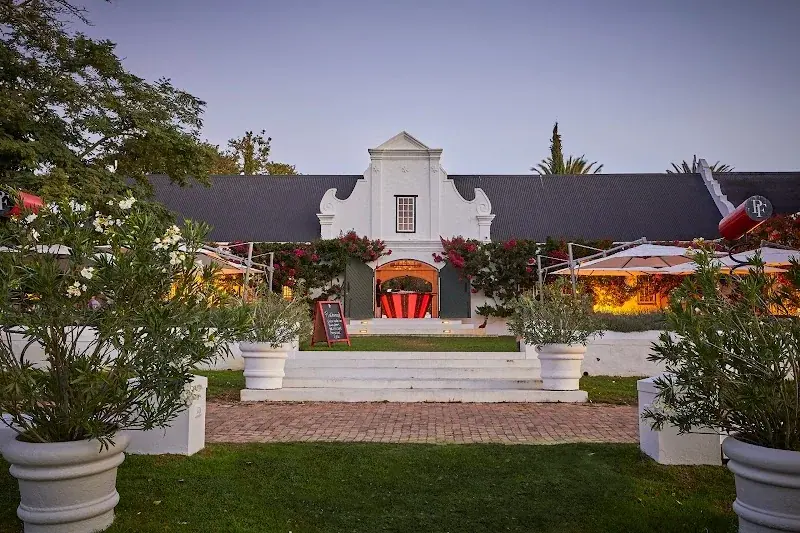
History sits close to the surface. Rust en Vrede holds a title deed dated 12 March 1694 and runs its restaurant in the old cellar, while Vergelegen was granted to Governor Willem Adriaan van der Stel in 1700.

Others are newer and more particular. Ken Forrester came with two Chenin Blanc vineyards planted in 1970 and 1974. Grangehurst made its first seven vintages in a converted squash court. Longridge sits about five kilometres from False Bay, and Idiom, near Sir Lowry's Pass, grows Italian grapes such as Sangiovese and Barbera on the upper slopes.

About the Helderberg

Questions people ask

Is the Helderberg an official wine ward?
No. The Helderberg is a well-known area within the Stellenbosch district, but it is not on the official list of Wine of Origin wards. Wines made there are labelled Wine of Origin Stellenbosch.
Where is the Helderberg in relation to Stellenbosch?
It lies due south of Stellenbosch town, on the slopes between Stellenbosch and Somerset West. The area runs down towards the shore of False Bay, with the Hottentots Holland mountains behind it.
Why is the Helderberg cooler than other parts of Stellenbosch?
It is close to False Bay. In summer, sea breezes from the south and west lower daytime temperatures in the vineyards, which helps late-ripening red grapes ripen slowly.
What wine is the Helderberg known for?
Mostly reds: Cabernet Sauvignon, Merlot and Shiraz, often blended in the Bordeaux style. Chenin Blanc and Chardonnay are the whites you will meet most often in its tasting rooms.

Updated October 2026.