Chenin

Old-vine estates

Estates that make wine from old vineyards, including bush vines and Certified Heritage Vineyards. Ask at the tasting room which bottles they go into.

At a glance

Closest to Cape Town
Groenland, about 35 min by car
Open on Sundays
6 of 12
Serve lunch
6 of 12
Have somewhere to stay
4 of 12
Areas
Bottelary (3), Helderberg (2), Jonkershoek Valley (1)

12 wineries

The story

Why old vines matter

In South Africa a vine counts as old at 35, and a seal on the bottle can tell you the year it was planted.

In South Africa a vineyard counts as old at 35 years, and the Certified Heritage Vineyards seal on a bottle shows the wine comes from one, with its planting year. Chenin Blanc makes up about half of the country's old vines, and Stellenbosch has more old-vine hectares than any other district.

The Old Vine Project

Viticulturist Rosa Kruger started looking for South Africa's old vineyards in 2002, after asking a simple question: where are they? In 2016 the search became the Old Vine Project, a non-profit with seed funding from the Rupert Foundation and now more than 130 member growers and producers.

Its register has grown from 2,952ha in 2016 to 5,417ha in 2025. In 2021 old vines were 4.4% of the country's vineyards, and Stellenbosch held the largest share, 958ha. The point is economic as much as sentimental: old vineyards yield little, and without a price premium growers pull them out.
Why old vines matter

What the seal tells you, and what it does not

The Certified Heritage Vineyards seal goes on wines made from registered blocks that are 35 years or older. The planting date is checked against SAWIS, the industry's records, which go back to 1900, and the seal carries the year the vineyard was planted. In 2024 the OIV, the international vine and wine body, adopted the same 35-year benchmark.

The seal certifies age and provenance. It says nothing about style or quality, and because it is tied to a planting year, a vineyard planted in 1990 qualified in 2025. Phrases like old vine or bush vine on a label without the seal are the producer's own description.

Why old vines matter

Why age shows in the glass

Old vines give fewer, smaller bunches. A Stellenbosch University study of a Pinotage vineyard found older vines reached ripeness with higher acidity at lower sugar, which means wines with more freshness and less alcohol. Chenin Blanc, at 51.8% of old-vine plantings in 2021, is where most visitors will taste the difference: more texture and concentration than the grape's crisp everyday style.

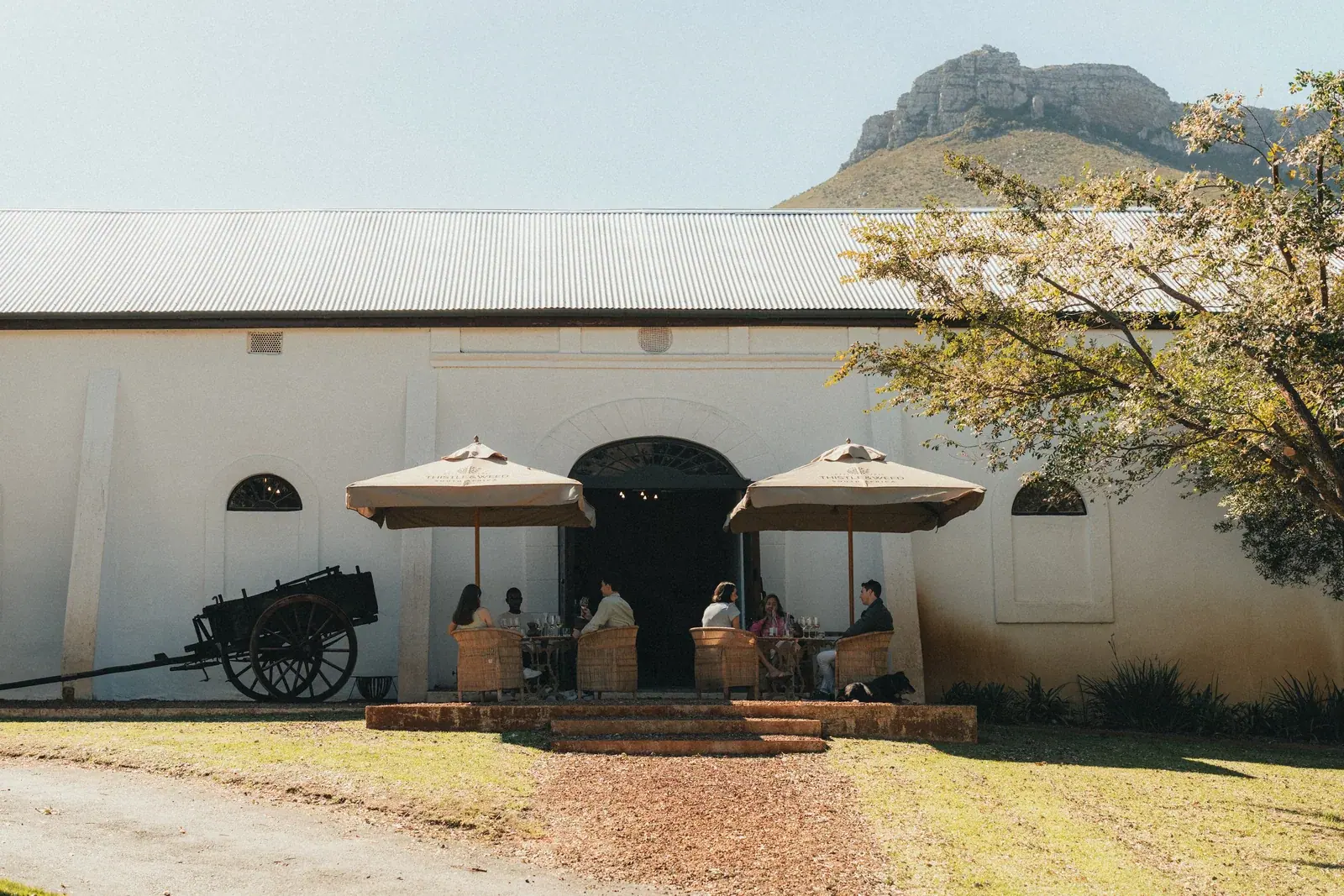
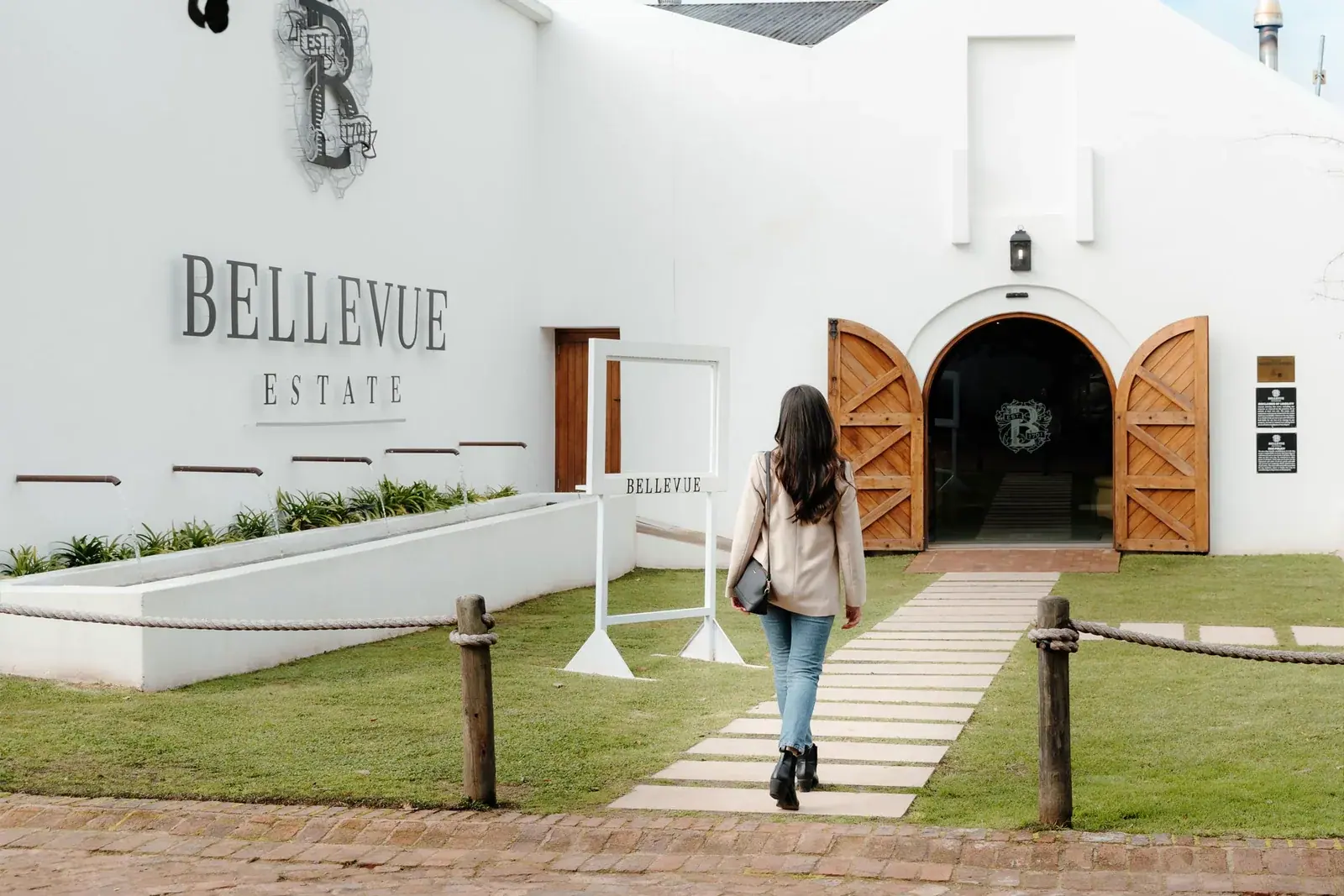
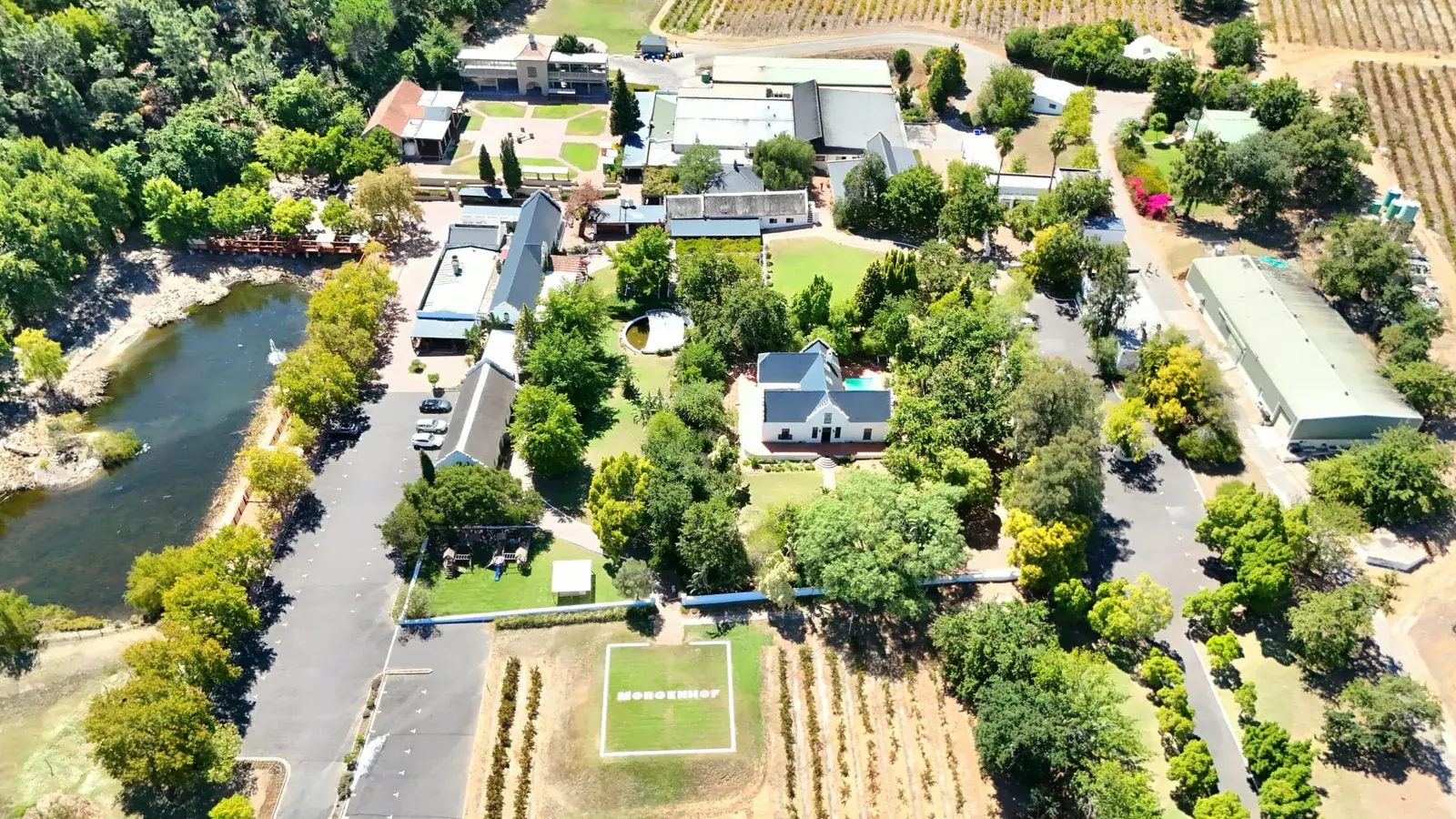
On our list, Kaapzicht makes its Steytler 1947 Chenin from bush vines planted that year. Thistle & Weed farms the Duwweltjie vineyard, ploughed by horse and planted in 1961, and Morgenhof Estate has a Chenin block from 1968. Ken Forrester inherited vineyards from 1970 and 1974 with the homestead. For red, Bellevue Wine Estate builds its range around old Cinsault and Pinotage.

Why old vines matter

Questions people ask

How old does a vine have to be to count as old vine in South Africa?
35 years or more, counted from the planting date recorded by SAWIS. The Old Vine Project uses this threshold for its Certified Heritage Vineyards seal, and the OIV adopted the same benchmark internationally in 2024.
What does the Certified Heritage Vineyards seal mean?
It means the wine comes from a registered vineyard at least 35 years old, with a planting date verified against industry records and shown on the seal. It certifies age and origin, not taste or quality.
Why is so much old-vine wine in South Africa Chenin Blanc?
Because Chenin Blanc accounts for most of the old vineyards still standing: 51.8% of old-vine plantings in 2021, well ahead of Sauvignon Blanc at 10.7% and Colombar at 9.4%.
Do old vines make better wine?
Not automatically, but they tend to give lower yields and, in one Stellenbosch University study, grapes with higher acidity at lower sugar. Producers prize them for concentration and texture, and buyers pay more for them.

Updated October 2026.