Chenin

Cabernet Sauvignon estates

Estates where Cabernet Sauvignon is a signature, not just a line on the list. Firm, dark-fruited reds, often the backbone of a blend and sometimes left to speak alone.

At a glance

Closest to Cape Town
Hazendal, about 34 min by car
Highest rated
Rust en Vrede (4.2)
Open on Sundays
42 of 60
Serve lunch
33 of 60
Take walk-ins
5 of 60
Have somewhere to stay
22 of 60
Areas
Helderberg (13), Banghoek (6), Bottelary (4)

60 wineries

The story

Cabernet Sauvignon in Stellenbosch

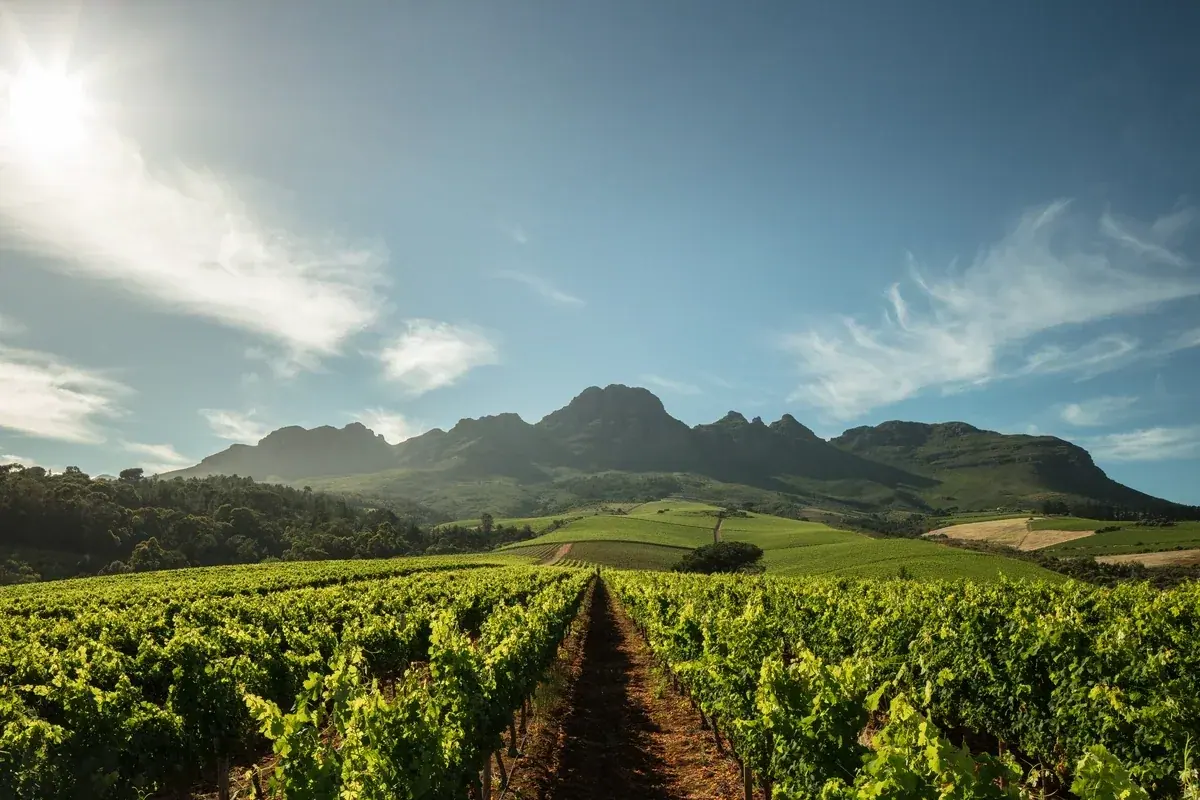
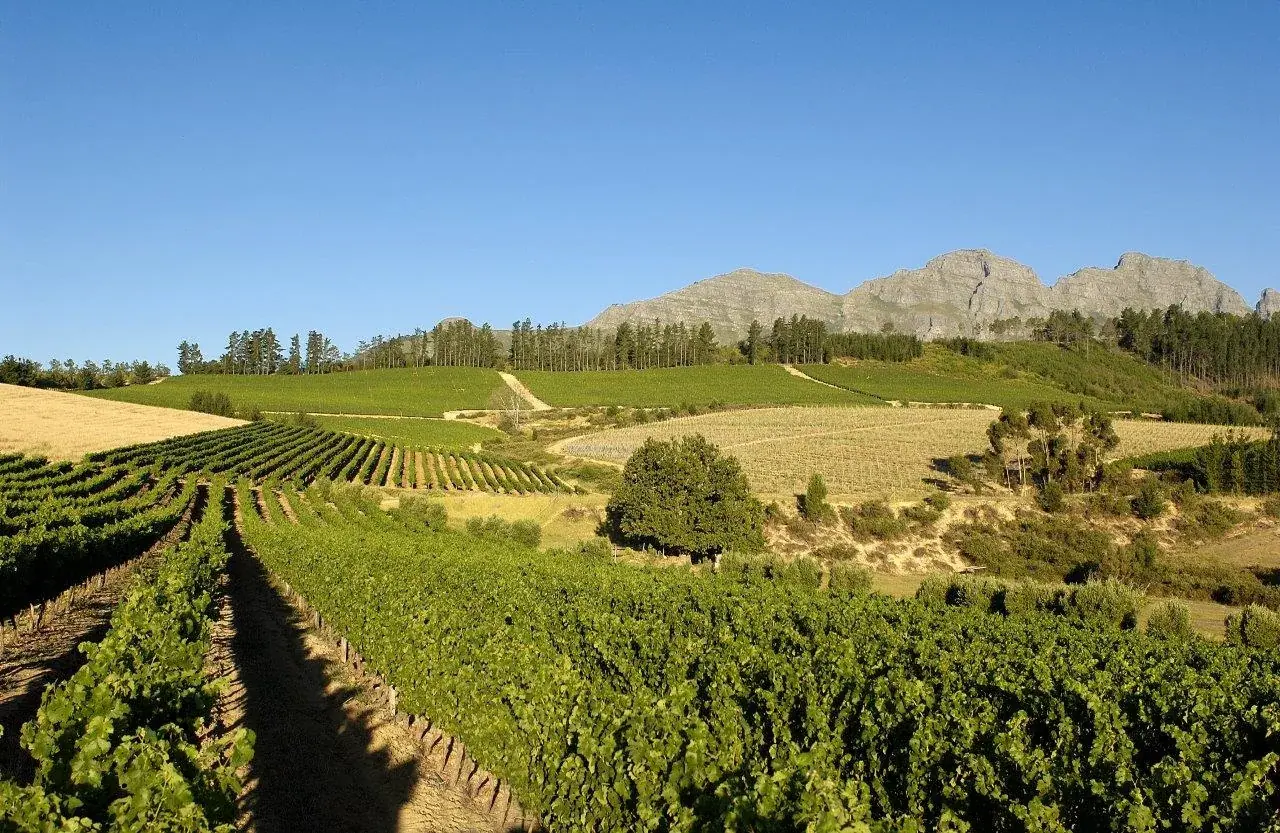
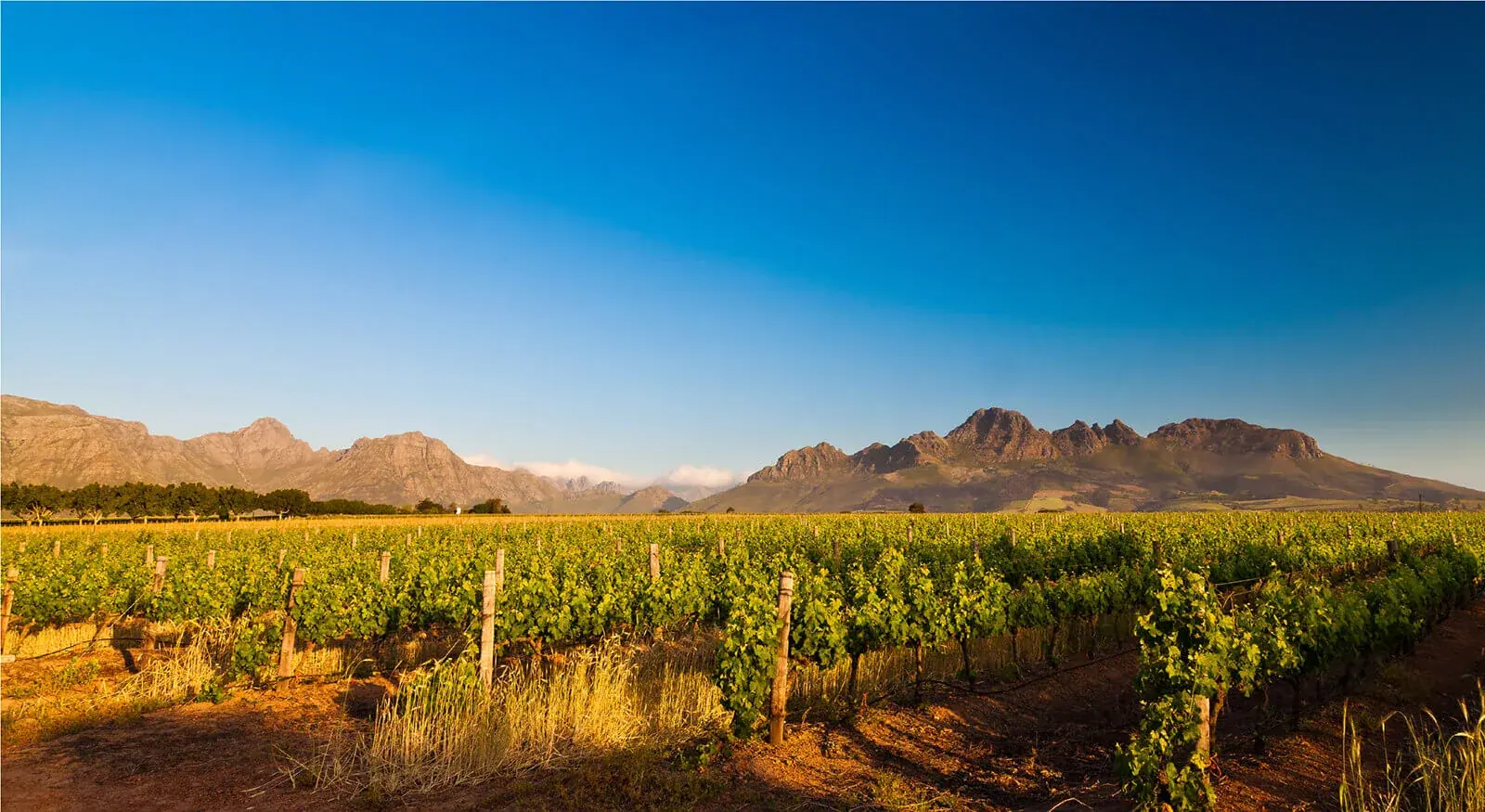
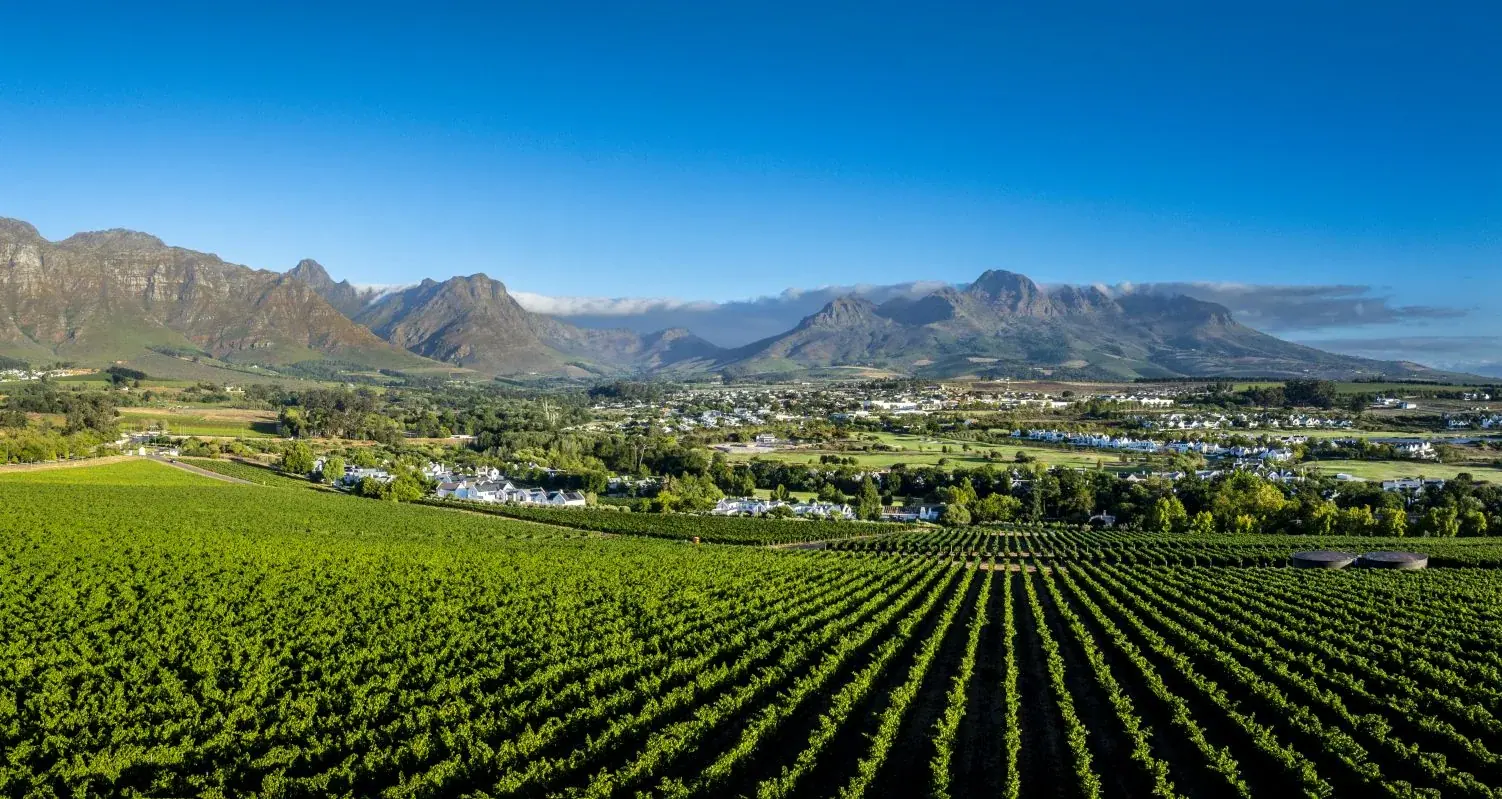
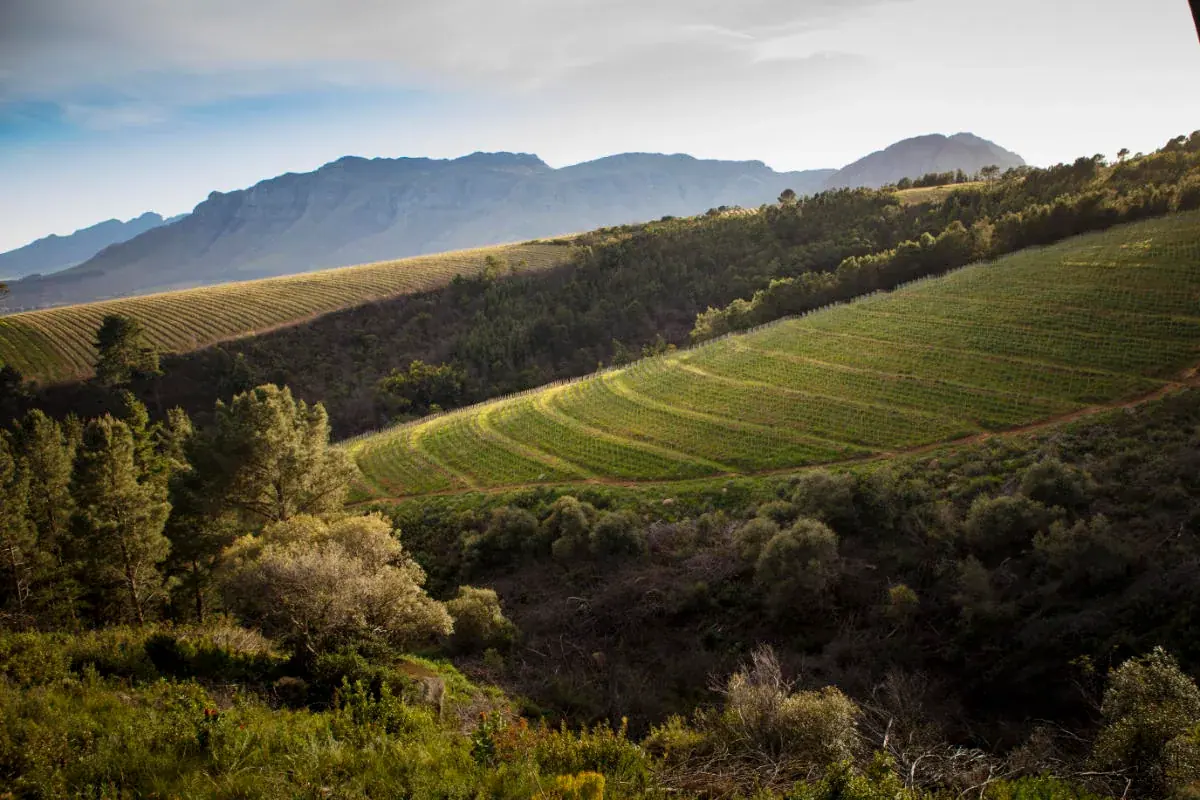
Stellenbosch grows close to a third of South Africa's Cabernet Sauvignon, cooled by afternoon breezes off False Bay.

Cabernet Sauvignon is Stellenbosch's leading red grape. The district grows close to 3,000 hectares of it, nearly a third of South Africa's total, and turns it into firm, dark-fruited wines, bottled alone or as the backbone of Bordeaux-style blends, that are made to improve in bottle.

Why Stellenbosch suits Cabernet

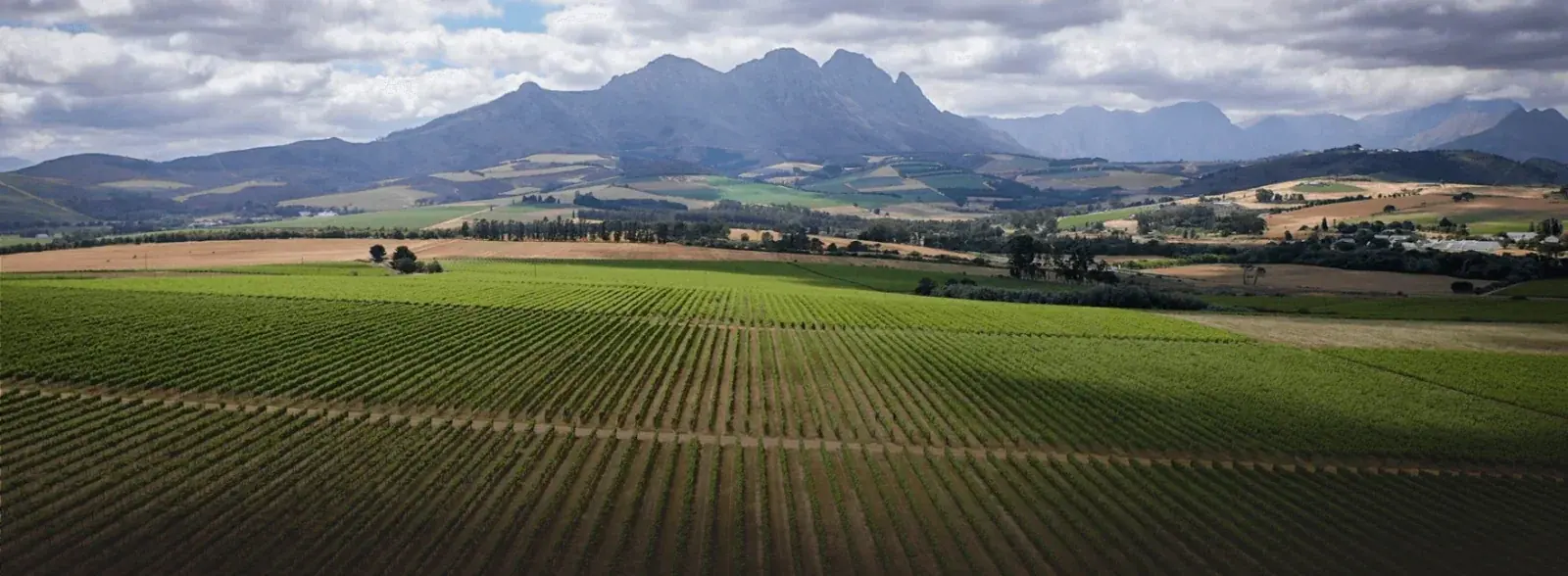
Cabernet ripens late. It needs a long, warm season to lose its green edge, and enough cool air to keep its freshness. Stellenbosch supplies both. Summers are warm and dry, but research cited by Stellenbosch Wine Routes found them cooler than the latitude suggests, because sea air from False Bay and Table Bay moves in during the afternoon and pulls temperatures down by three to four degrees.

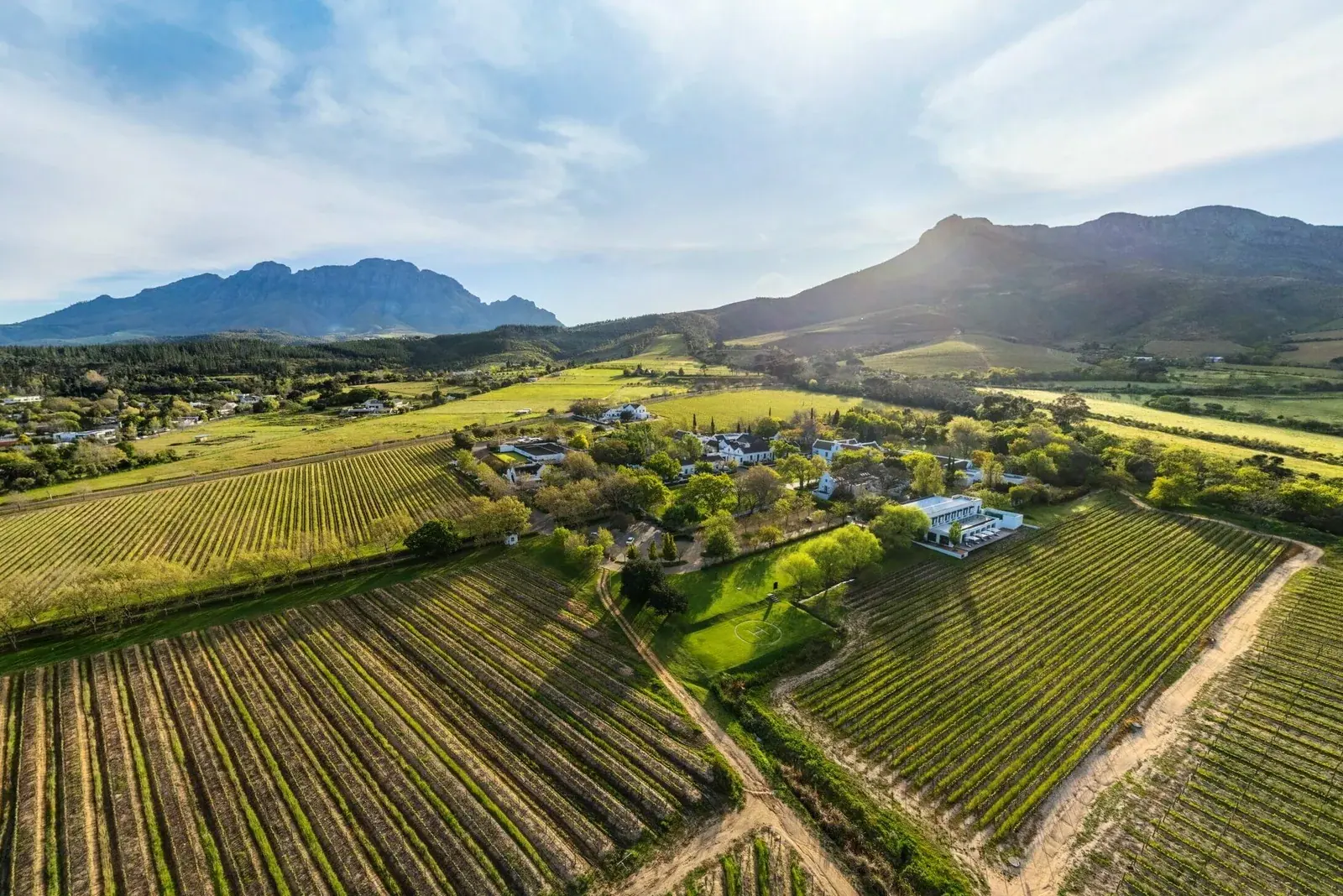
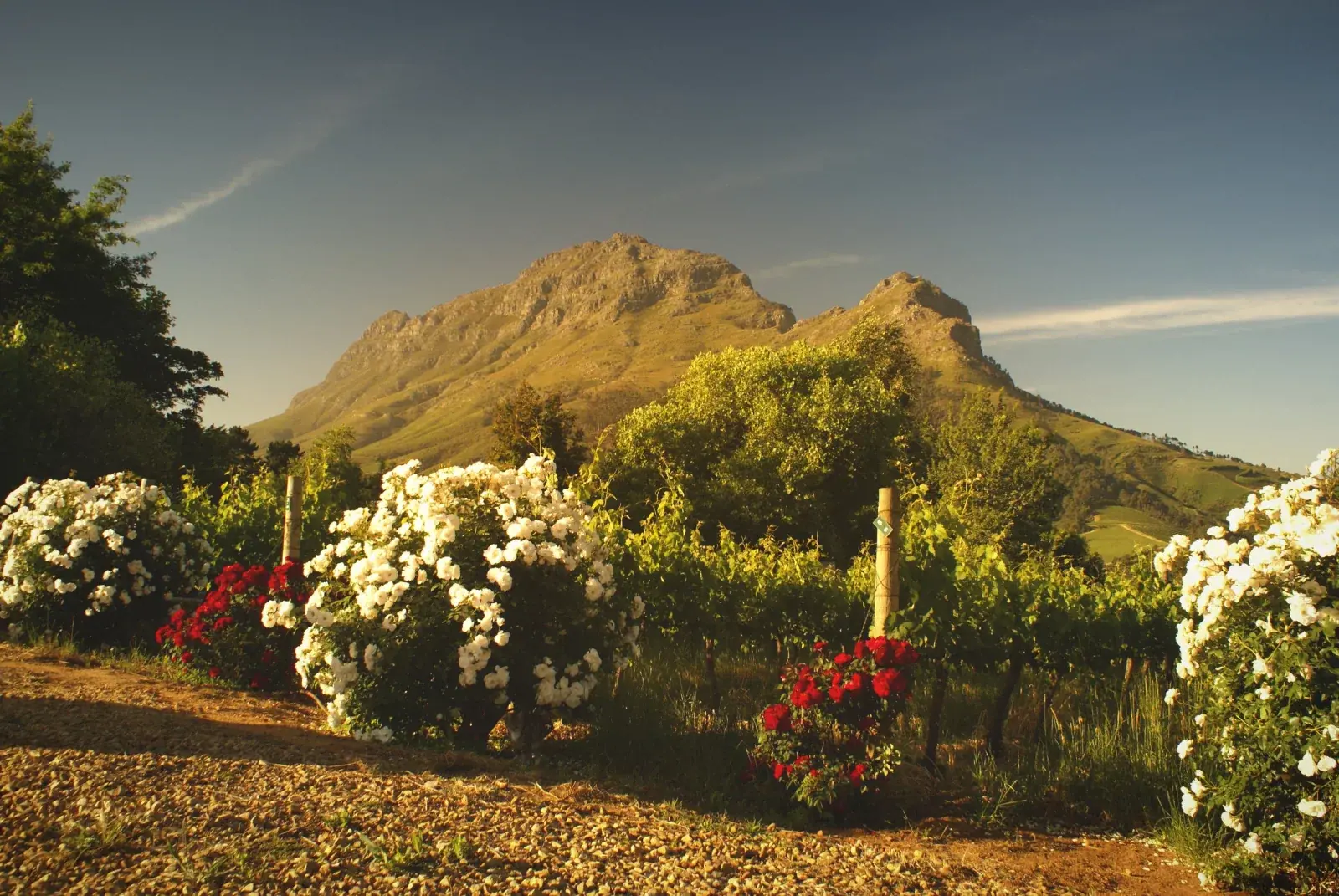
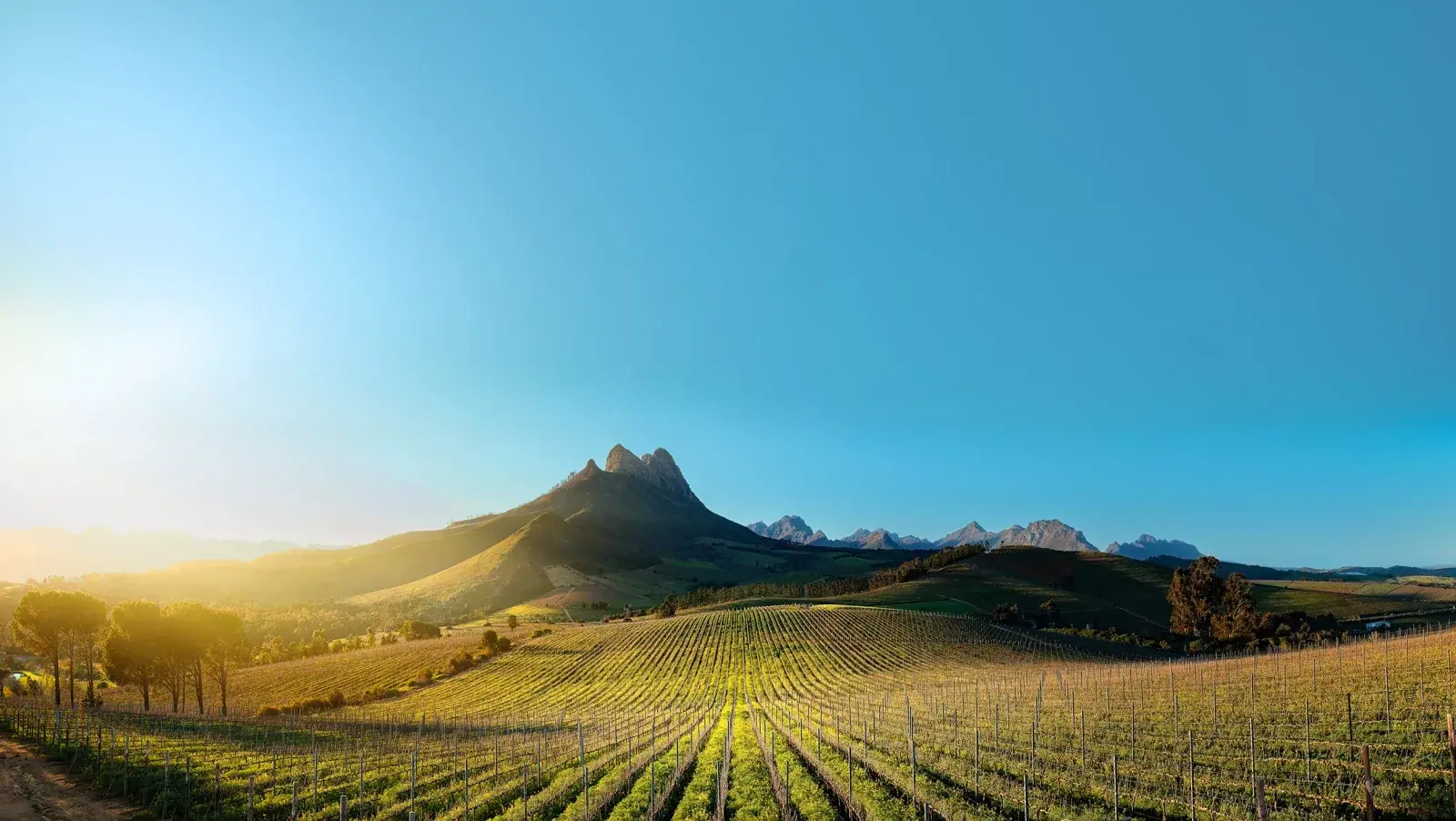
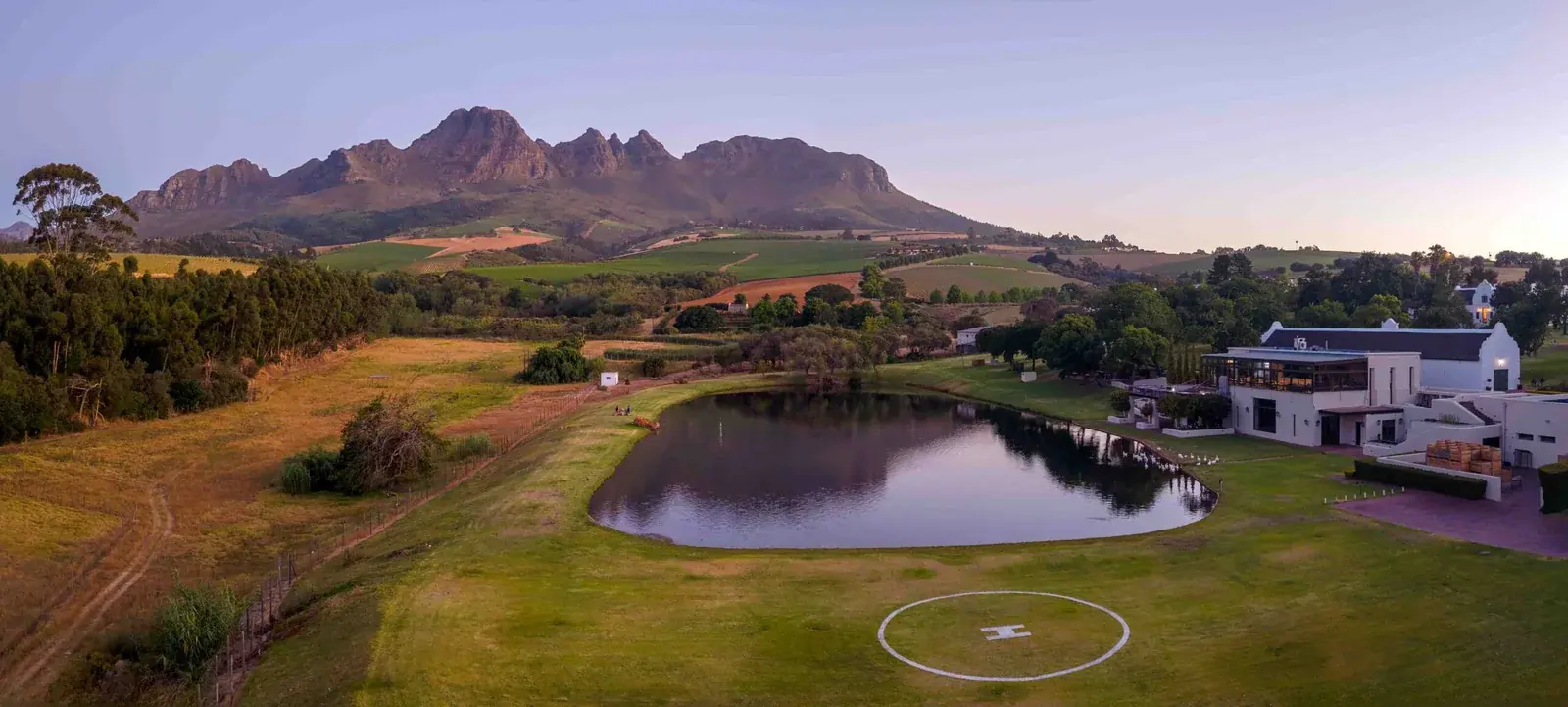
The ground helps too. Sandstone, shale and granite turn up across the district, and the slopes of the Simonsberg, Helderberg and Jonkershoek give growers altitude and aspect to work with. The soils are generally poor, which keeps vines from running to leaf. Stellenbosch has 2,995 hectares of Cabernet, 29.7% of the national total, and the highest share of red plantings of any South African district.
Cabernet Sauvignon in Stellenbosch

Bordeaux-style blends

Many cellars here make Cabernet two ways: as a single-variety wine, and in a blend modelled on Bordeaux, where Cabernet leads and Merlot and Cabernet Franc, sometimes Petit Verdot or Malbec, fill in. Merlot adds flesh to the middle of the wine. Cabernet Franc adds perfume and lift.
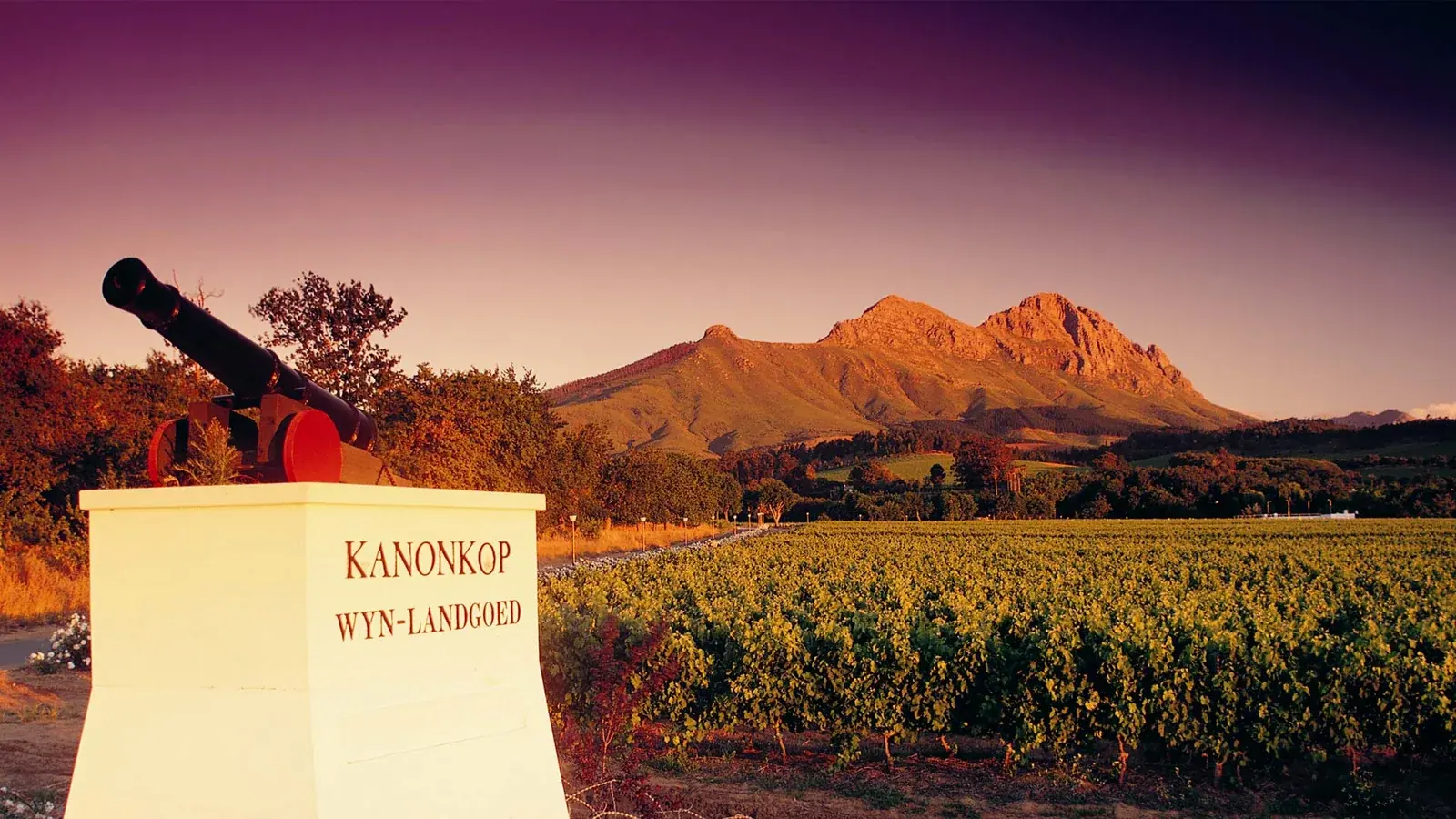
The idea took hold early. Meerlust first made Rubicon in 1980, and Kanonkop first made Paul Sauer in 1981, a blend Platter's once described as about three quarters Cabernet with Cabernet Franc and Merlot. On a tasting list these wines usually go by a name rather than a grape, so ask what is in them.
Cabernet Sauvignon in Stellenbosch

How the reds age

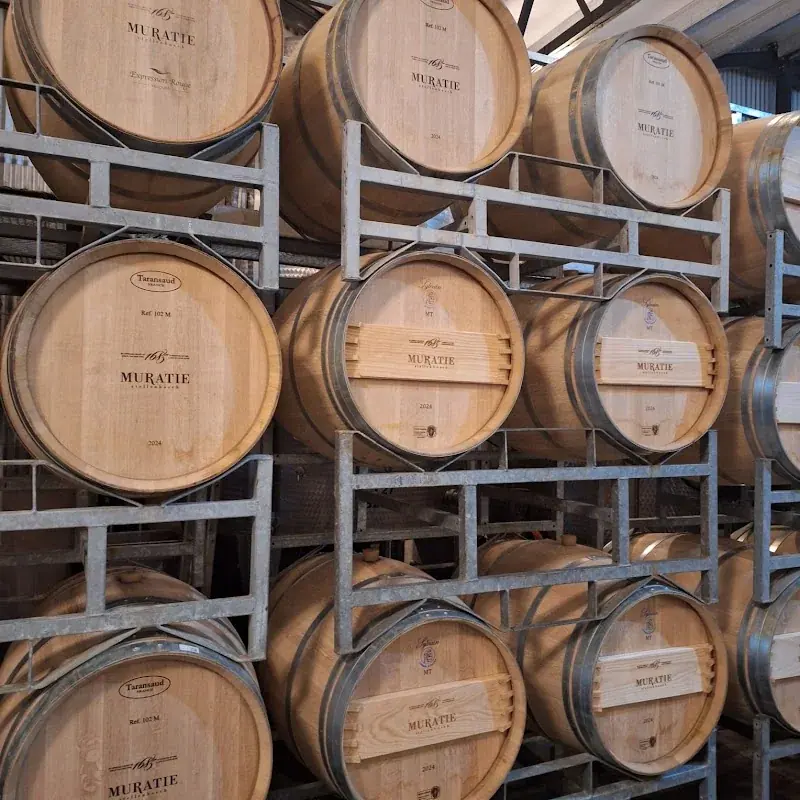
Young Stellenbosch Cabernet is tight: blackcurrant, cedar from the oak, and tannins that grip. Serious bottlings often spend 18 months to more than two years in French barrels before release, then keep changing in bottle as the fruit softens and savoury notes of tobacco and dried herbs come forward.

That makes the current release the least revealing wine on many tasting lists. Some estates keep older vintages for sale or pour one on request, which is the quickest way to see where the young wine is heading.

Cabernet Sauvignon in Stellenbosch

Where to taste it

At Rust en Vrede on the Helderberg, Cabernet makes up 60% of the vineyards, on granite and Table Mountain sandstone, and the Estate Vineyards and Single Vineyard bottlings show two sides of the same farm. Stark-Condé in the Jonkershoek Valley makes several Cabernets, including Three Pines. Warwick makes The First Lady and Cape Lady Cabernets, and Bartinney in Banghoek makes Skyfall alongside its estate Cabernet.

Cabernet Sauvignon in Stellenbosch

Questions people ask

Why is Stellenbosch known for Cabernet Sauvignon?
Stellenbosch grows more Cabernet Sauvignon than any other South African district, about 30% of the national total. Warm, dry summers ripen this late grape fully, while afternoon breezes from False Bay keep the wines fresh, and mountain slopes with poor soils keep yields in check.
What is a Bordeaux-style blend in South Africa?
It is a red blend built from the Bordeaux grapes, usually led by Cabernet Sauvignon with Merlot and Cabernet Franc, sometimes with Petit Verdot or Malbec. Meerlust Rubicon, first made in 1980, and Kanonkop Paul Sauer, first made in 1981, are two long-running Stellenbosch examples.
What does Stellenbosch Cabernet Sauvignon taste like?
Expect blackcurrant and dark berries, often with cedar and spice from French oak, and firm tannins. With time in bottle the fruit softens and savoury notes such as tobacco and dried herbs come through.
How long can you keep Stellenbosch Cabernet?
Everyday bottlings are made to drink within a few years, but estate and reserve Cabernets and Bordeaux-style blends are built to develop in bottle for a decade or more. Ask at the tasting room how a particular wine is drinking now.

Updated October 2026.