
Chenin

Pinot Noir estates

Estates where Pinot Noir is a signature, not just a line on the list. A fussy grape that prefers cooler sites, so fewer estates take it on.

At a glance

Closest to Cape Town
Meerlust, about 37 min by car
Highest rated
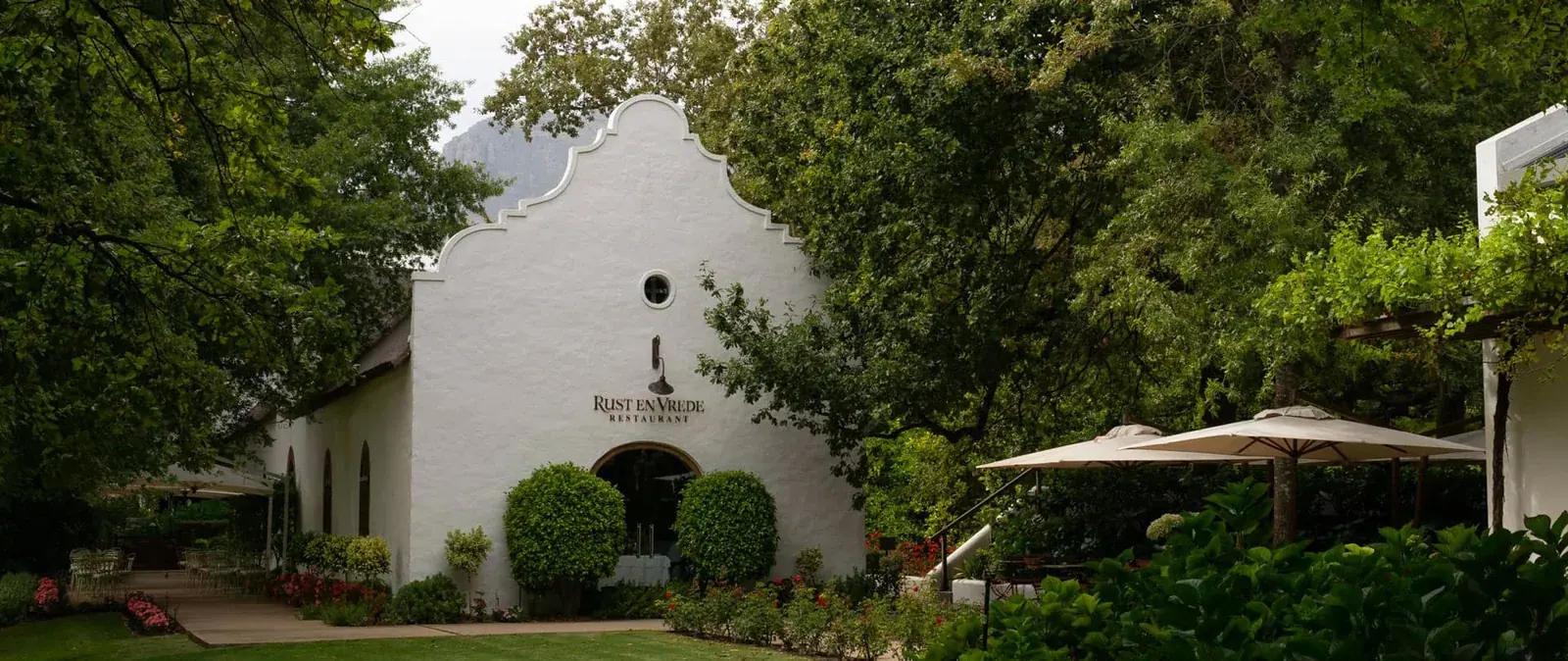
Rust en Vrede (4.2)
Open on Sundays
8 of 12
Serve lunch
6 of 12
Take walk-ins
1 of 12
Have somewhere to stay
4 of 12
Areas
Helderberg (3), Polkadraai Hills (2), Jonkershoek Valley (1)

12 wineries

The story

Pinot Noir in Stellenbosch

Much of the Pinot Noir poured in Stellenbosch is grown further south, in cooler Elgin and the Hemel-en-Aarde.

Pinot Noir is a cool-climate grape, and most of Stellenbosch is warm Cabernet country, so much of the Pinot poured in its tasting rooms is grown further south, in Elgin and the Hemel-en-Aarde. A handful of Stellenbosch estates grow it at home, on cooler sites close to the sea or low in sheltered valleys.

Why Pinot prefers cooler places

Pinot Noir is thin-skinned and ripens early. In heat it rushes to ripeness and loses the red-fruit fragrance and lightness that make it worth growing. In South Africa the strongest examples come from Elgin and the Hemel-en-Aarde, where the sea and altitude keep summers cool. Writing in Winemag in 2023, Tim James called Pinot probably the only grape for which Stellenbosch does not have a substantial stake among the top wines.

It is also a small grape here. The Cape had about 1,171 hectares in 2023, up from 487 in 2000, and a good share of the crop goes into Cap Classique sparkling wine rather than red.
Pinot Noir in Stellenbosch

Stellenbosch's own Pinot

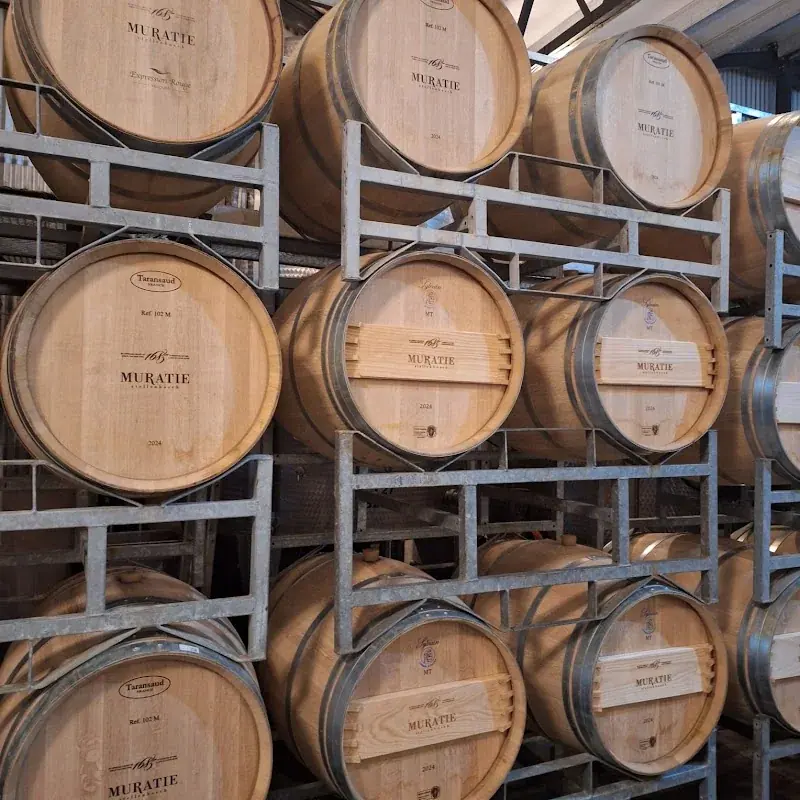
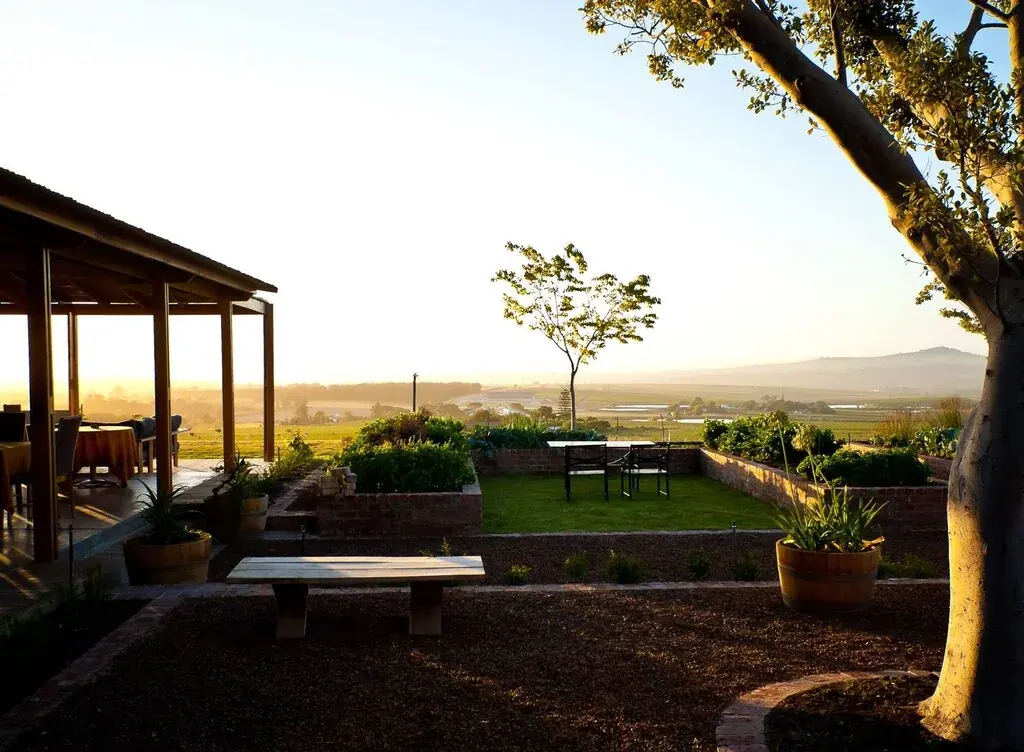
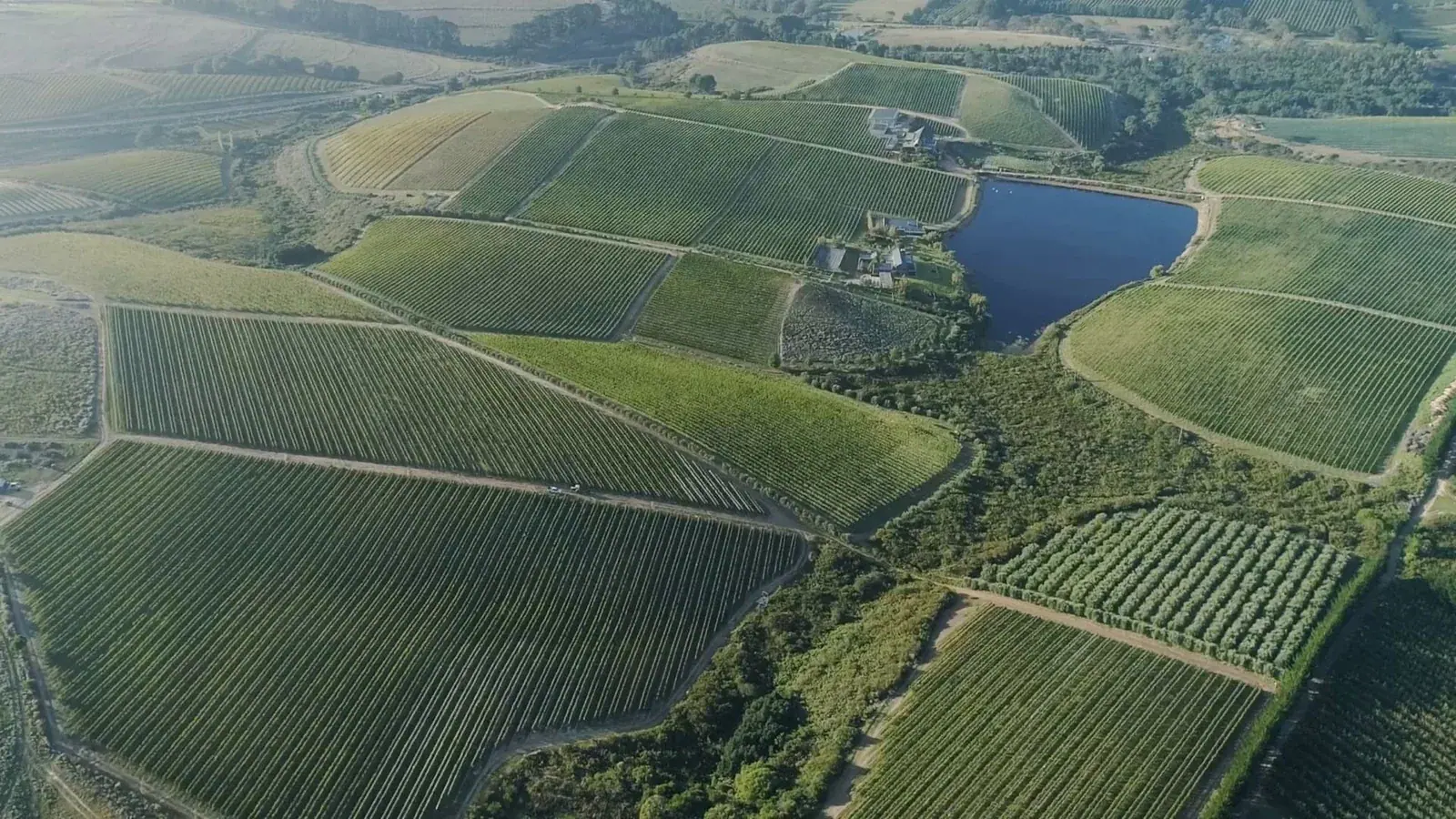
Stellenbosch was still the Cape's Pinot pioneer: for a long time Muratie made South Africa's only single-variety Pinot Noir, and it still pours one. Meerlust sits about five kilometres from False Bay and grows its Pinot on the highest, south-facing part of the farm to catch the cool sea breeze.

Vriesenhof, in the Paradyskloof valley between the Helderberg and Stellenbosch mountains, plants its Pinot lower on the slope where it gets less sun, and makes both an estate Pinot and a Paradyskloof bottling. On the Helderberg, Peter Falke lists Pinot Noir first among its grapes.

Pinot Noir in Stellenbosch

Read the label

The origin on a South African label tells you where the grapes grew, not where the cellar is. Catherine Marshall makes Pinot her focus, and her Pinot Noir on Sandstone Soils is 100% Elgin Valley fruit. Boschendal names the source outright in its Appellation Series Elgin Pinot Noir. Neither is a lesser wine for it: it simply tells you what the grape needs.

Pinot Noir in Stellenbosch

Questions people ask

Does Pinot Noir grow in Stellenbosch?
Yes, but not much. Most of Stellenbosch is warm enough for Cabernet Sauvignon, which is too warm for Pinot in most spots, so the estates that grow it pick cooler sites, such as Meerlust near False Bay. Much of the Pinot poured in Stellenbosch tasting rooms is made from grapes grown in cooler areas such as Elgin.
Which South African regions are known for Pinot Noir?
Elgin and the Hemel-en-Aarde, near Hermanus, are the two main names. Both are cooled by the sea and by altitude, which suits a grape that loses its fragrance in heat.
What does South African Pinot Noir taste like?
Expect a lighter red than Cabernet or Shiraz, with red cherry, cranberry and floral notes, fresh acidity and fine tannins. Warmer sites tend to give rounder, riper fruit.
Is Pinot Noir used in Cap Classique?
Yes. Pinot Noir is one of the classic grapes for Cap Classique, South Africa's bottle-fermented sparkling wine, and a good share of the Cape's Pinot crop goes into it.

Updated October 2026.